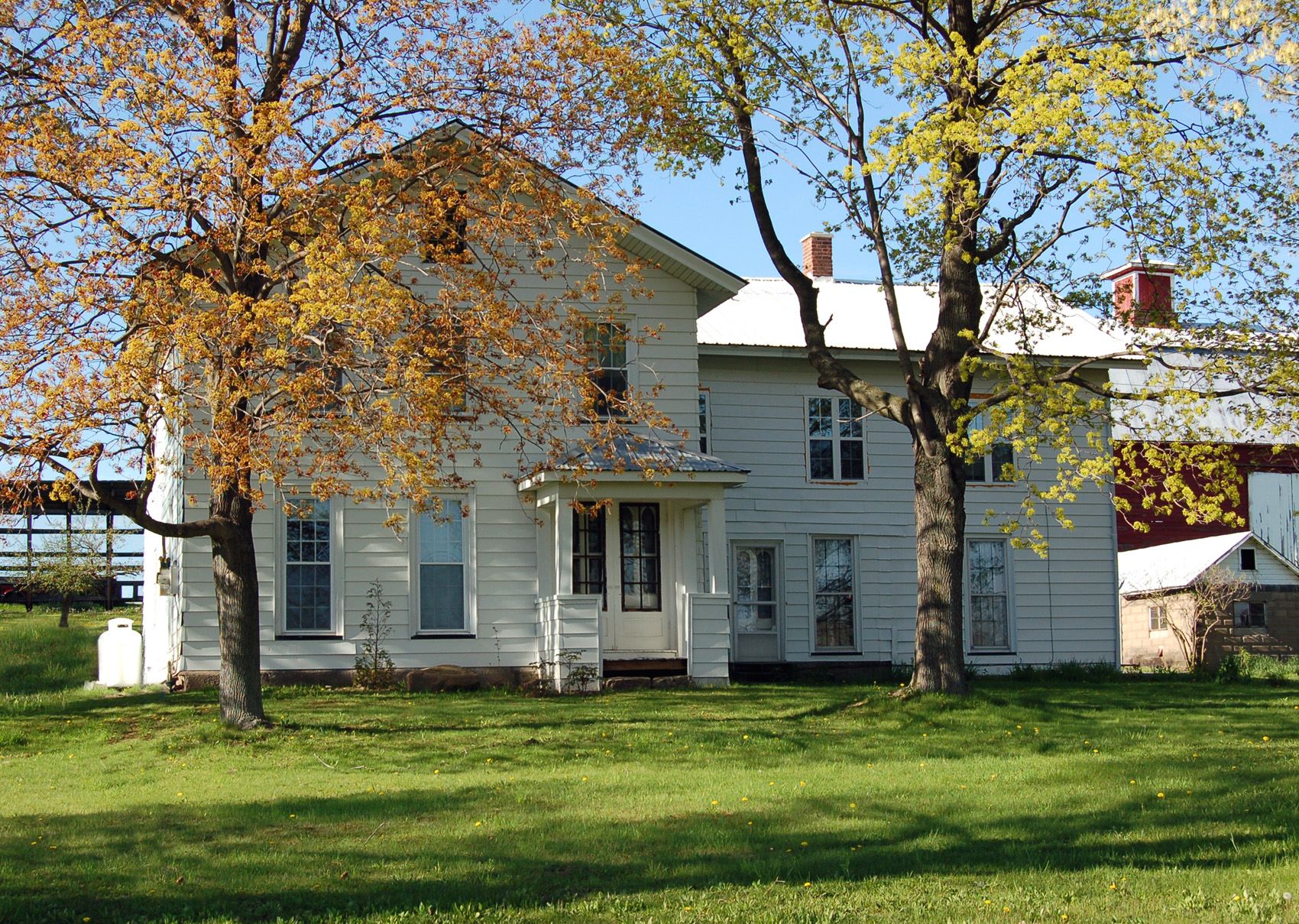
/ Places of the D&C / Palmyra-Manchester, New York
Palmyra-Manchester, New York
1820-1830
Photo Credit: Christina Broberg, 2012
Significant Events At a Glance
- Joseph Smith's First Vision
- Appearances of Moroni
- Retrieval Site of the Golden Plates
- Book of Mormon Printed
- Joseph Sr. and Lucy Smith Homes
D&C Sections Received Here
(Click for Section Study Helps)
(Tap for Section Study Helps)
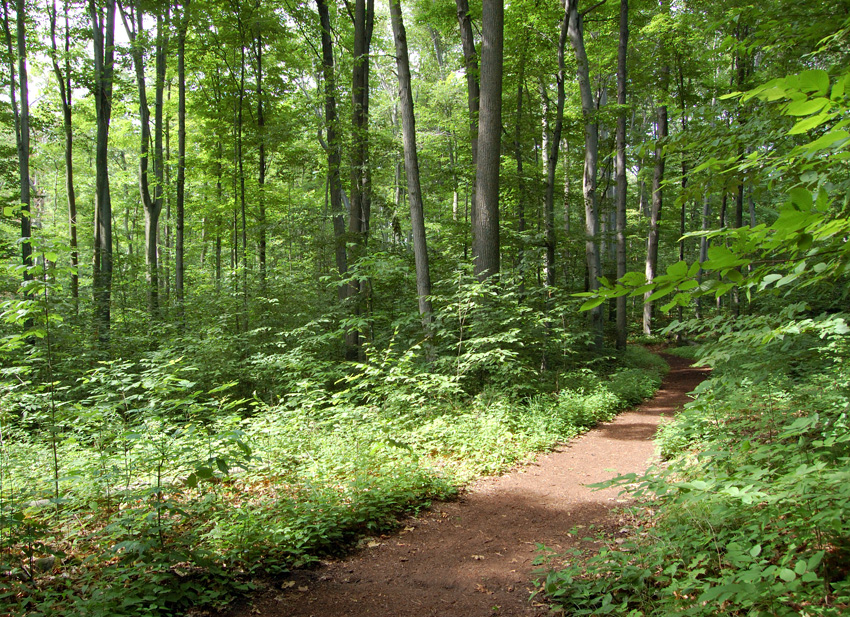
Sacred Grove
Key Points of Interest
- Joseph Smith, Jr. saw God the Father and His Son, Jesus Christ, here early in the Spring of 1820
- The Smiths farmed roughly 60 acres of their 100-acre property and kept about 40 acres for a wood lot. The current Sacred Grove is roughly 10-12 acres within, we believe, the original 40-acre wood plot
- There are still trees in the Sacred Grove that date back to the time of the first vision—referred to as “witness trees”
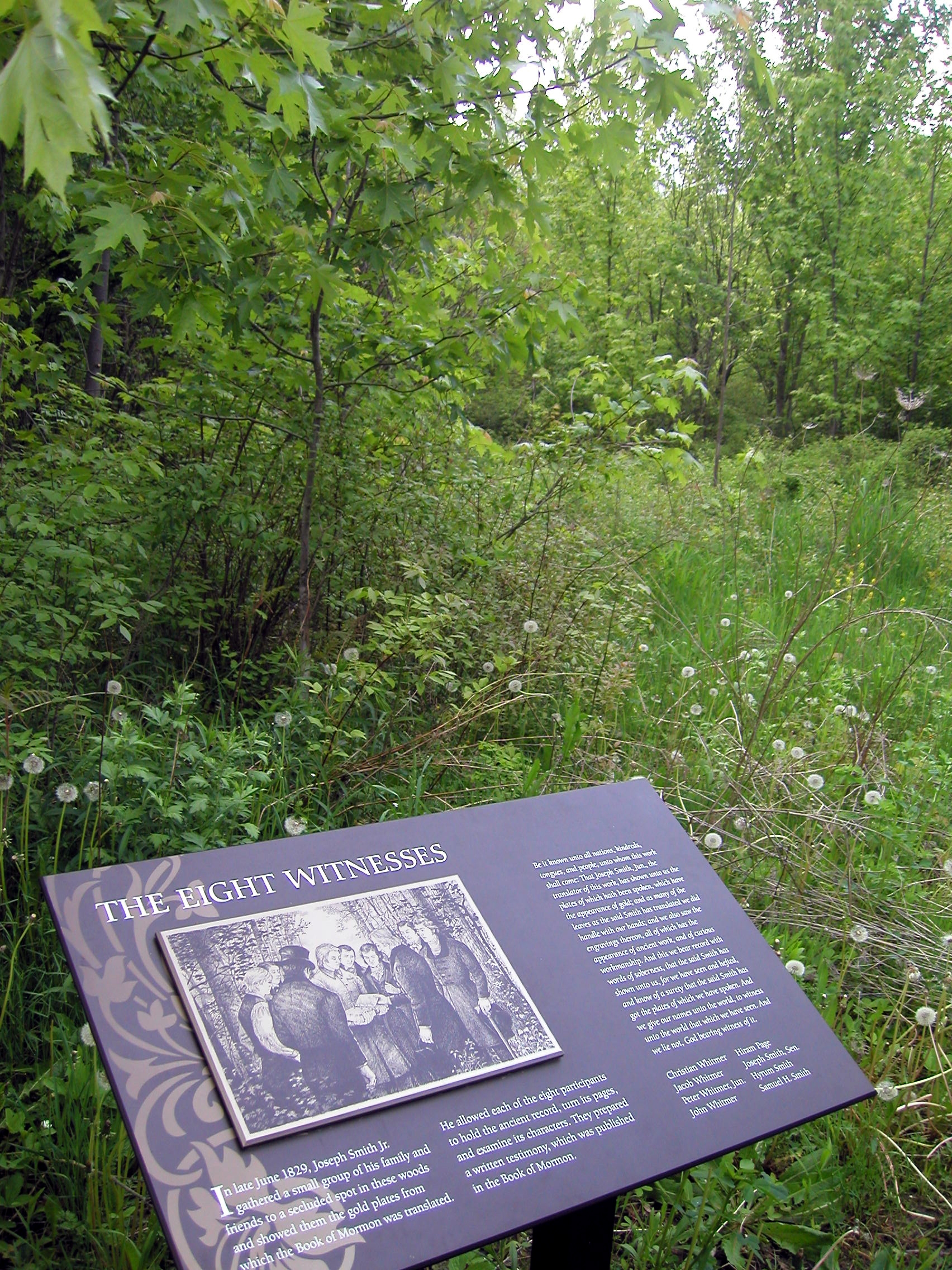
- Joseph showed the golden plates to eight witnesses near here
(Hover over photo for more information, click to enlarge)

(Tap photo to enlarge and see more information)
Sacred Grove
Photo Credit: Janet Cramer, 2015
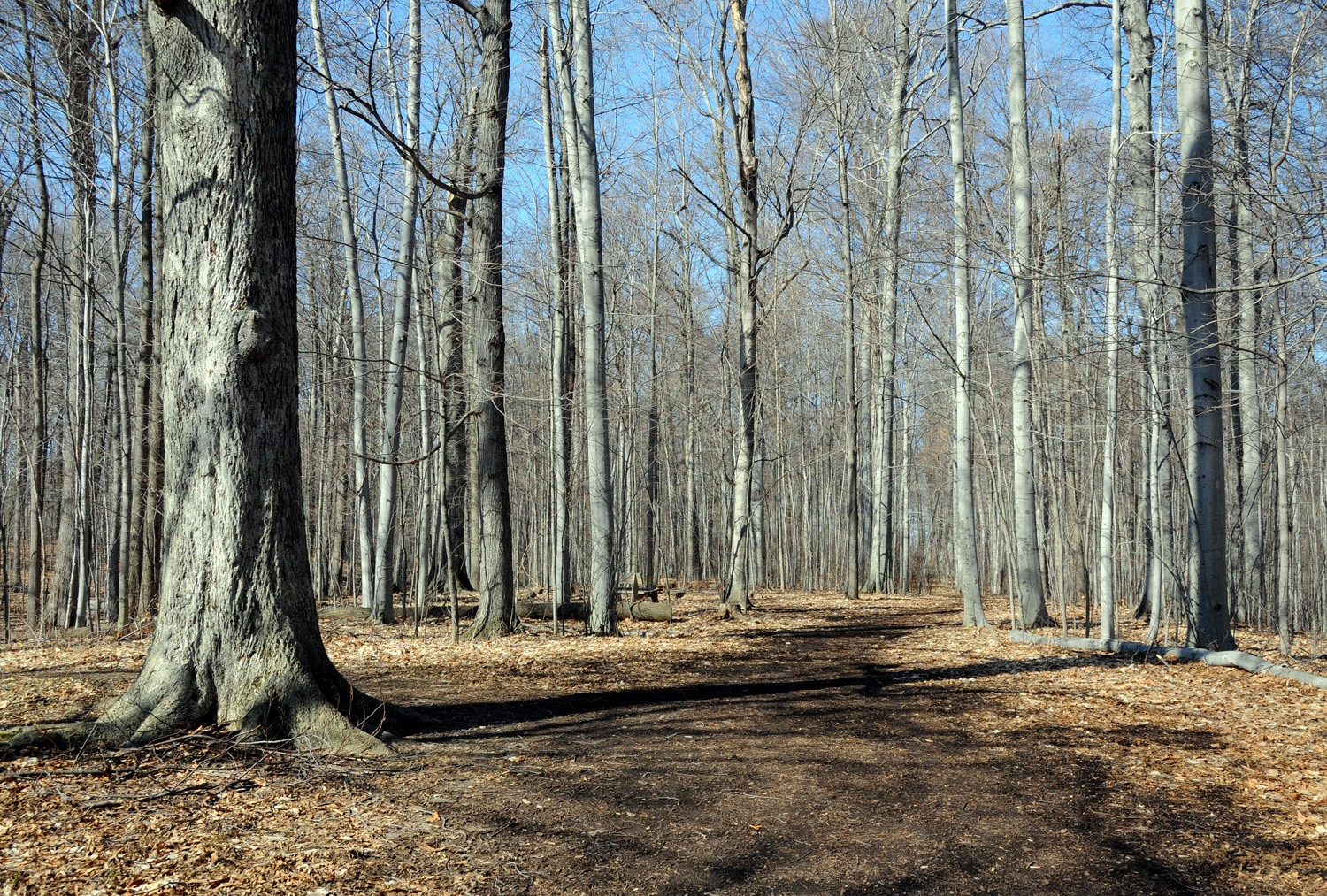
Sacred Grove in March
Photo Credit: Kenneth Mays, 2006
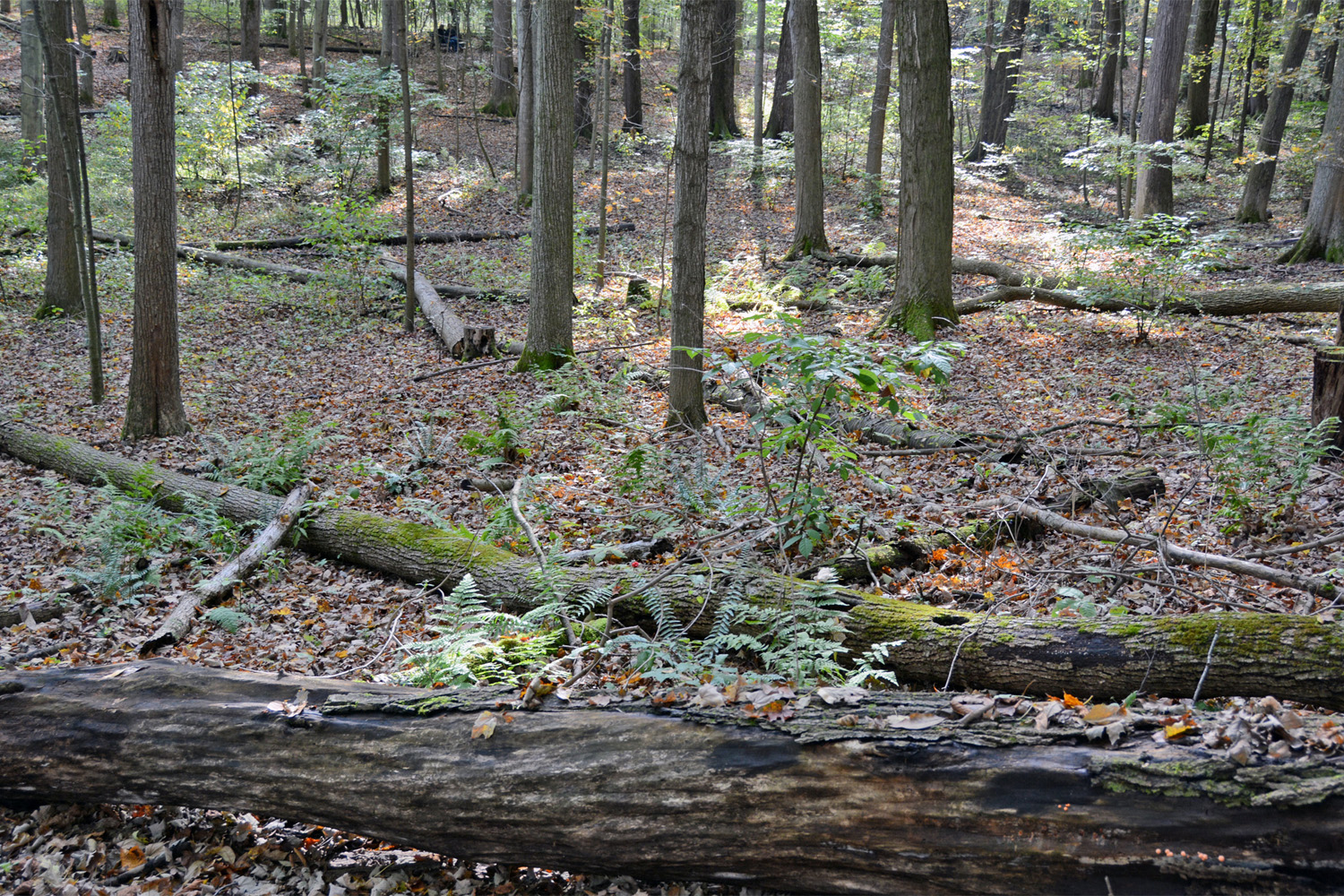
Sacred Grove
Photo Credit: Kenneth Mays, 2019
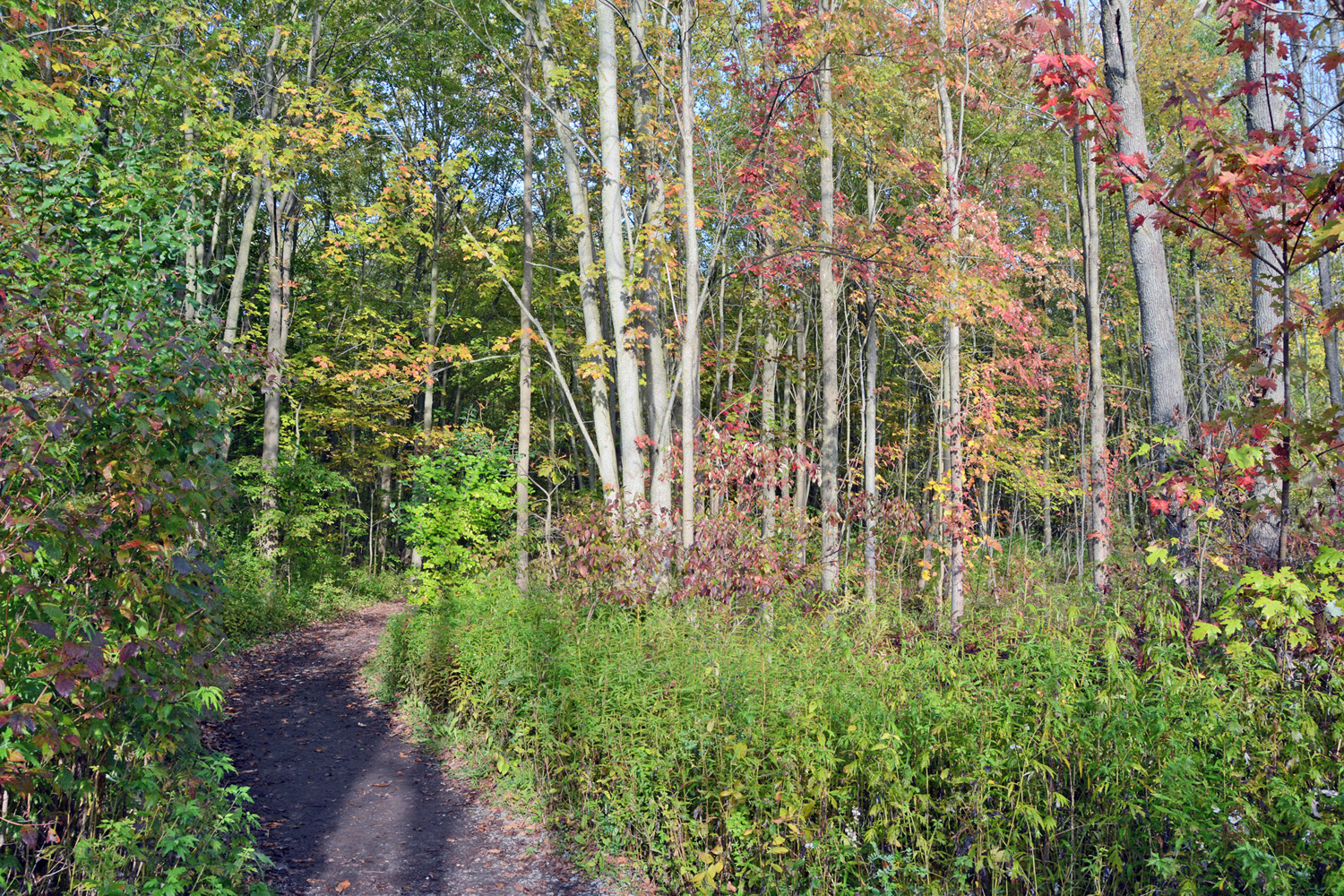
Sacred Grove
Photo Credit: Kenneth Mays, 2019
Sacred Grove in June
Photo Credit: Kenneth Mays, 2003
Eight Witnesses Plaque
Photo Credit: John W. Welch, 2003
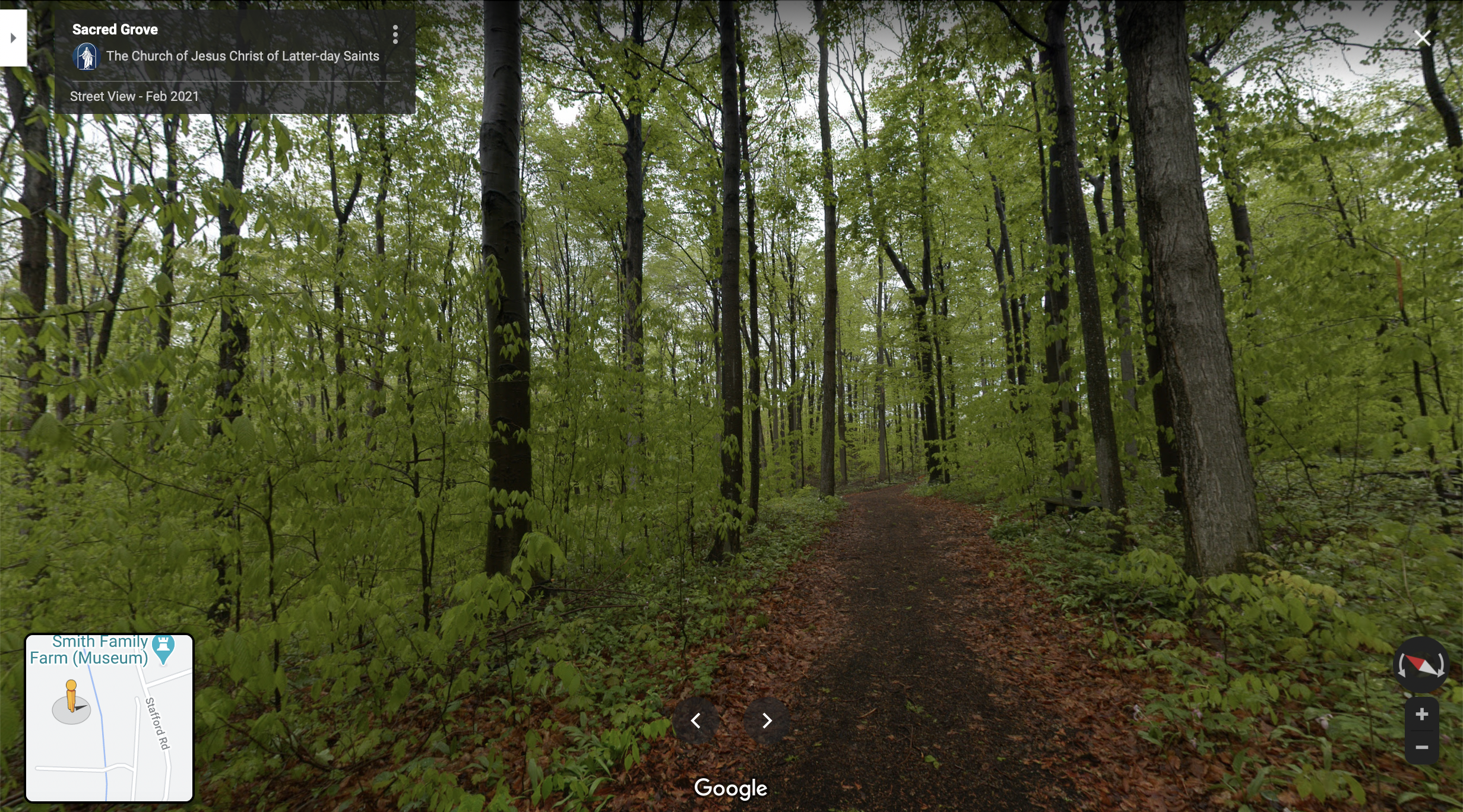
Hill Cumorah
Key Points of Interest
- Moroni, the final author in and compiler of The Book of Mormon, buried the golden plates in this hill sometime around 421 A.D.
- On the night of 21 September 1823, Moroni, now a glorified, resurrected being, visited Joseph Smith, Jr. and told him about the plates
- At Moroni's direction, Joseph went to the hill the next day (22 September 1823) and found the plates but was told he must wait to receive them
- Joseph met Moroni here on September 22 every year from 1824-1827 and received instruction from him
- On 22 September 1827, Joseph came to the hill with his wife, Emma, to retrieve the plates
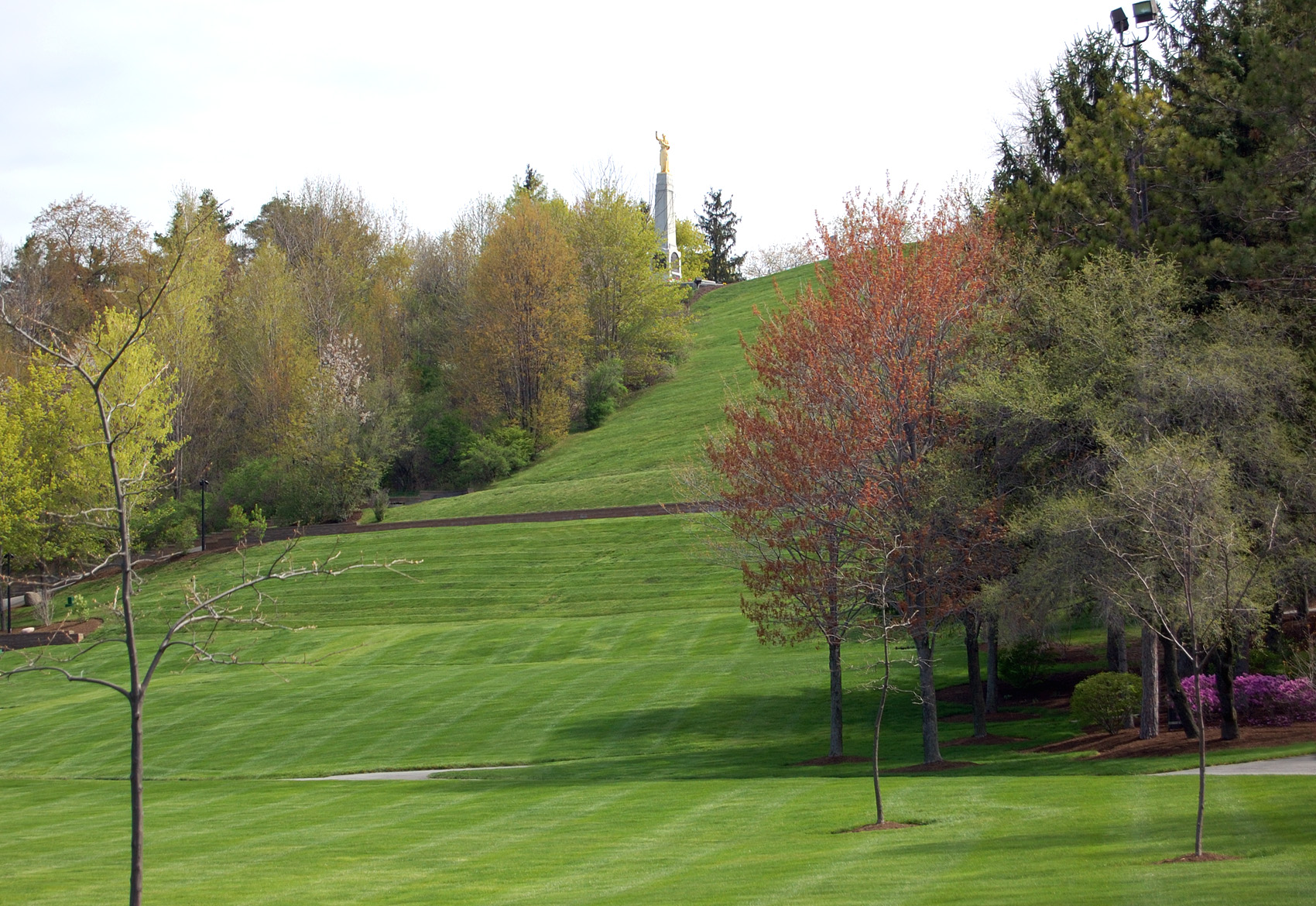
- The hill is about 117 feet tall, one of the tallest in the area
(Hover over photo for more information, click to enlarge)
(Tap photo to enlarge and see more information)
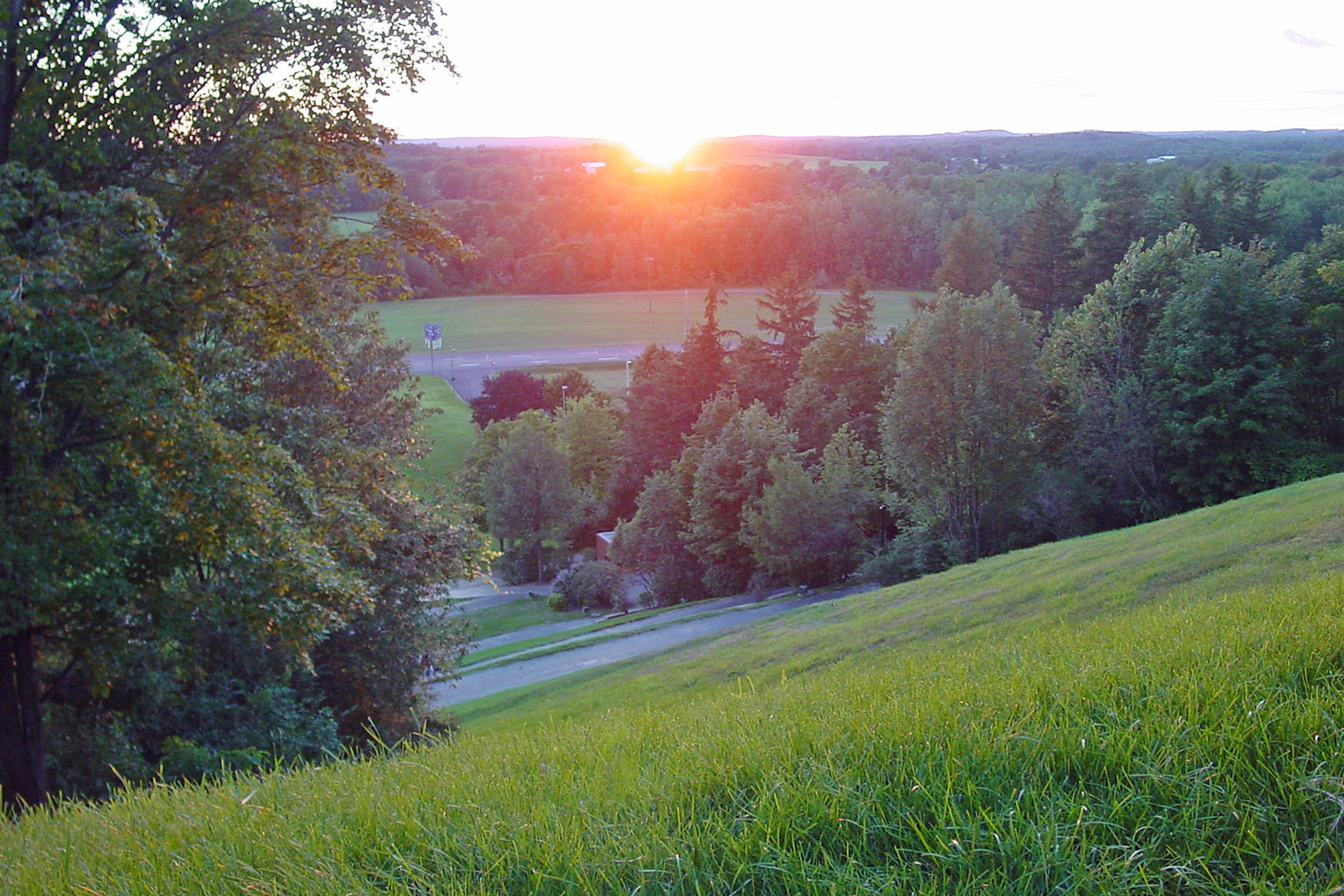
Cumorah Sunset
Photo Credit: Kenneth Mays, 2002
Hill Cumorah Pageant Site
Photo Credit: Kenneth Mays, 2008
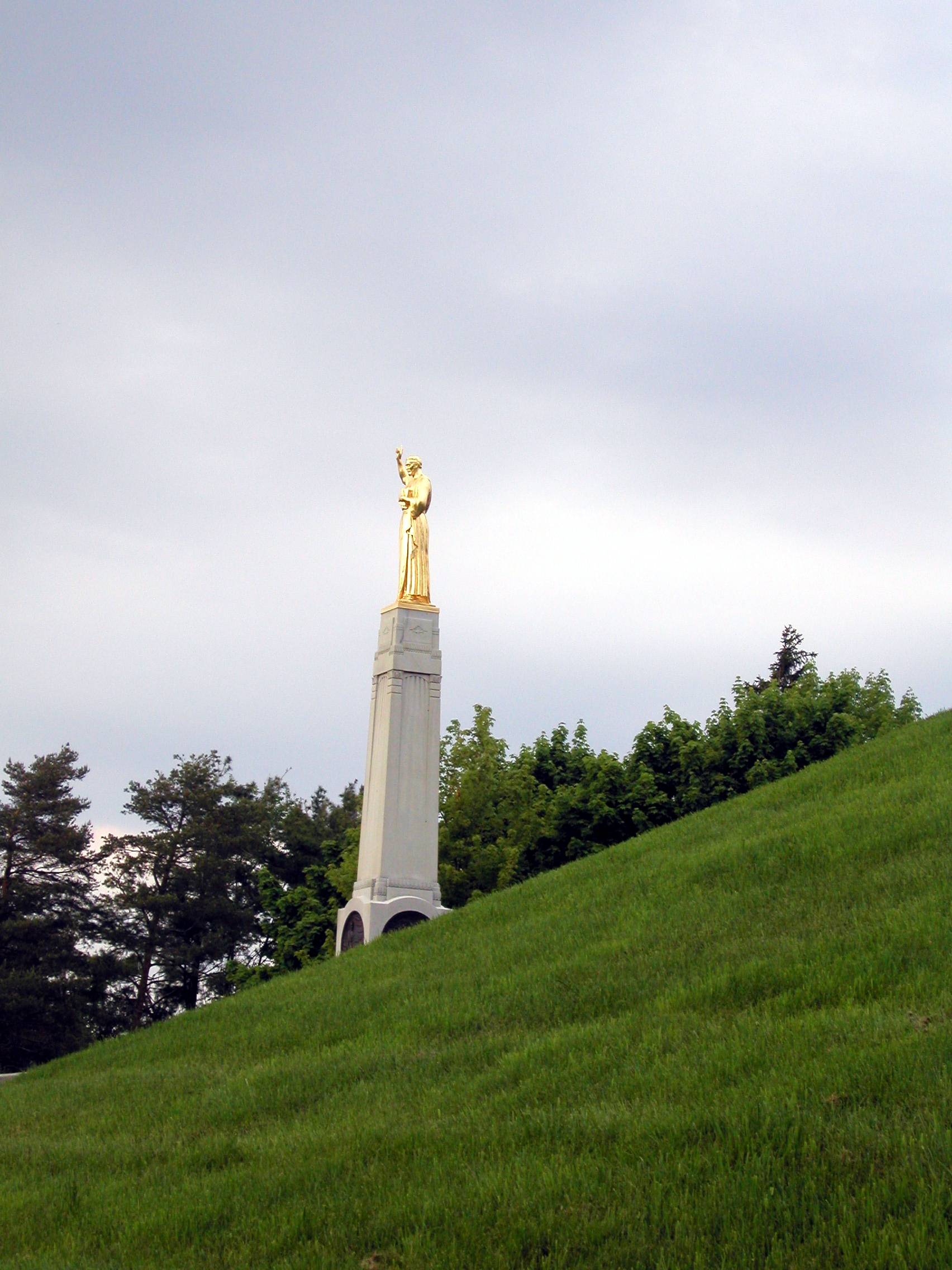
Hill Cumorah with Moroni Monument
Photo Credit: Kenneth Mays, 2008
Cumorah Monument of Angel Moroni
Photo Credit: John W. Welch, 2003
Granite Base of Monument
Photo Credit: John W. Welch, 2012
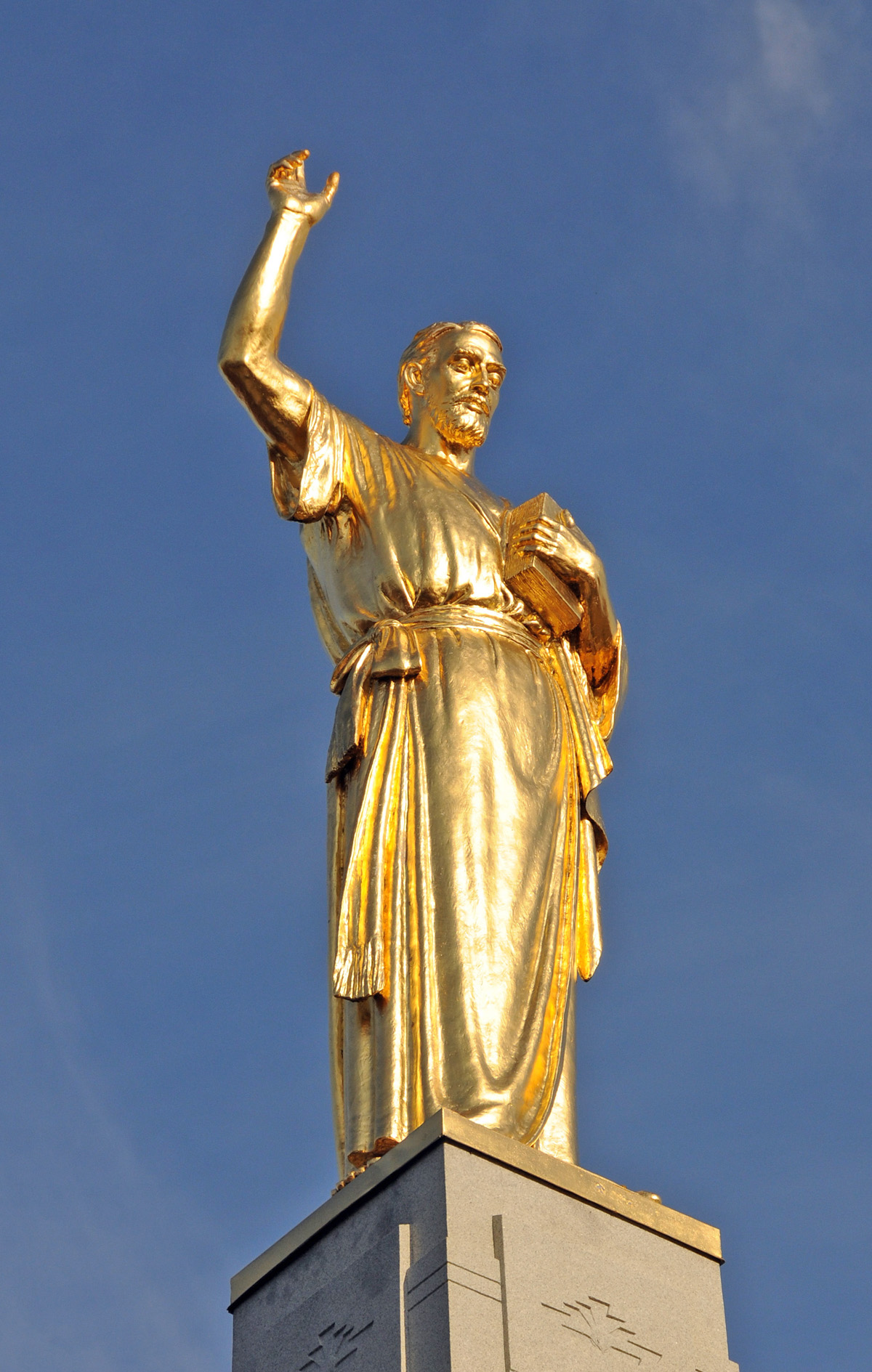
Moroni Statue at Top of Monument
Photo Credit: Kenneth Mays, 2009
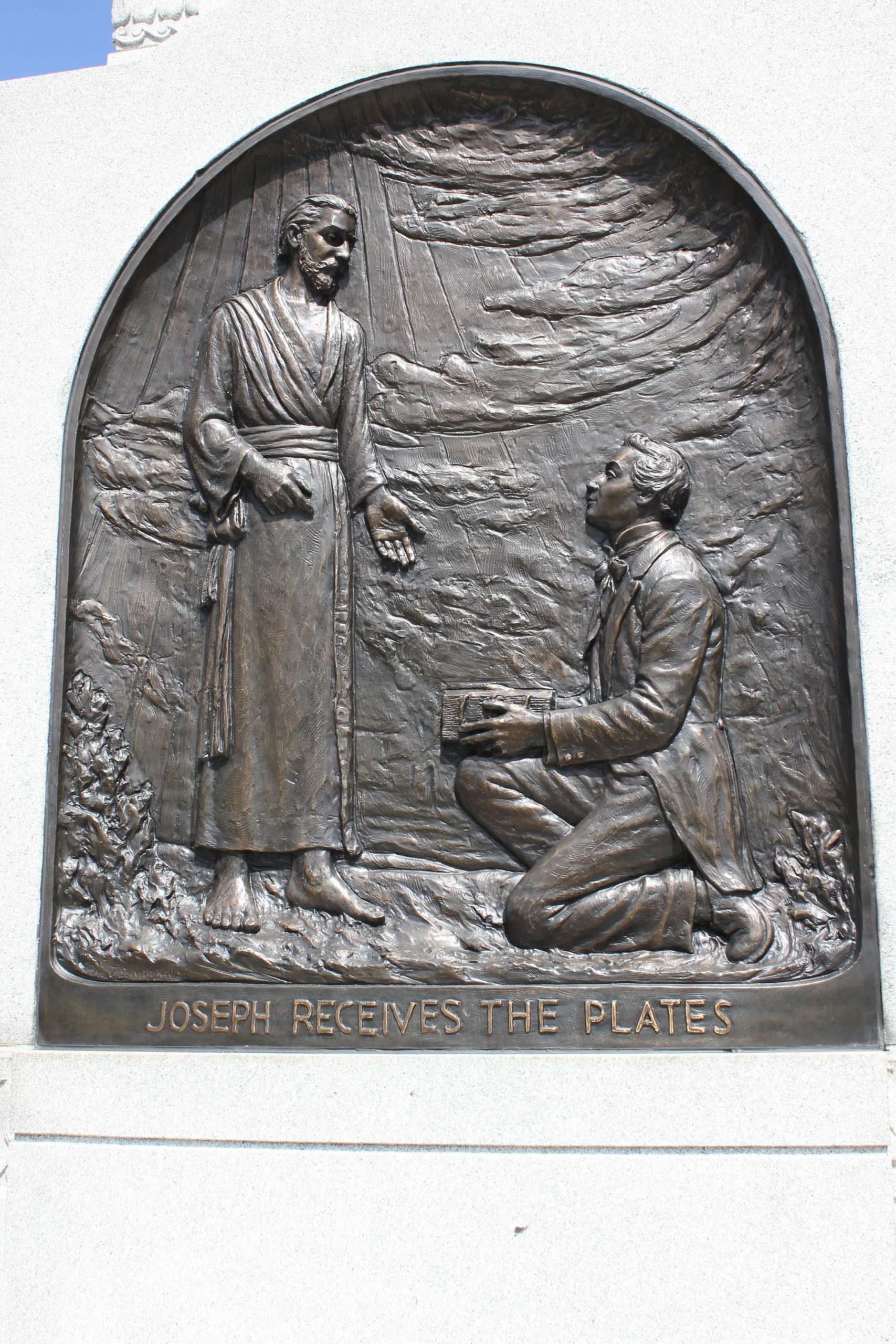
Bronze Relief at Base of Monument
Photo Credit: Christina Broberg 2012
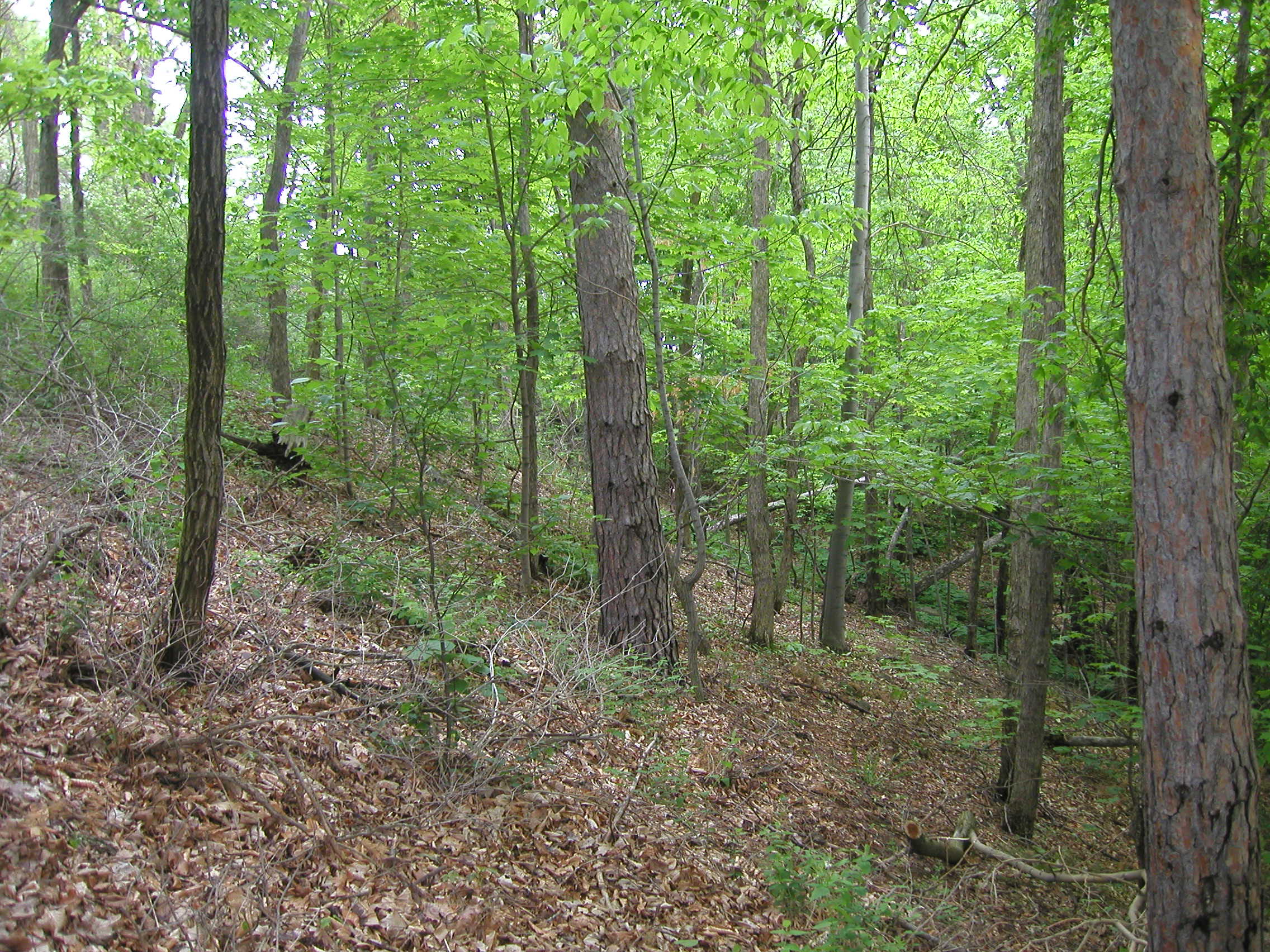
Wooded Western Hillside
Photo Credit: John W. Welch, 2003
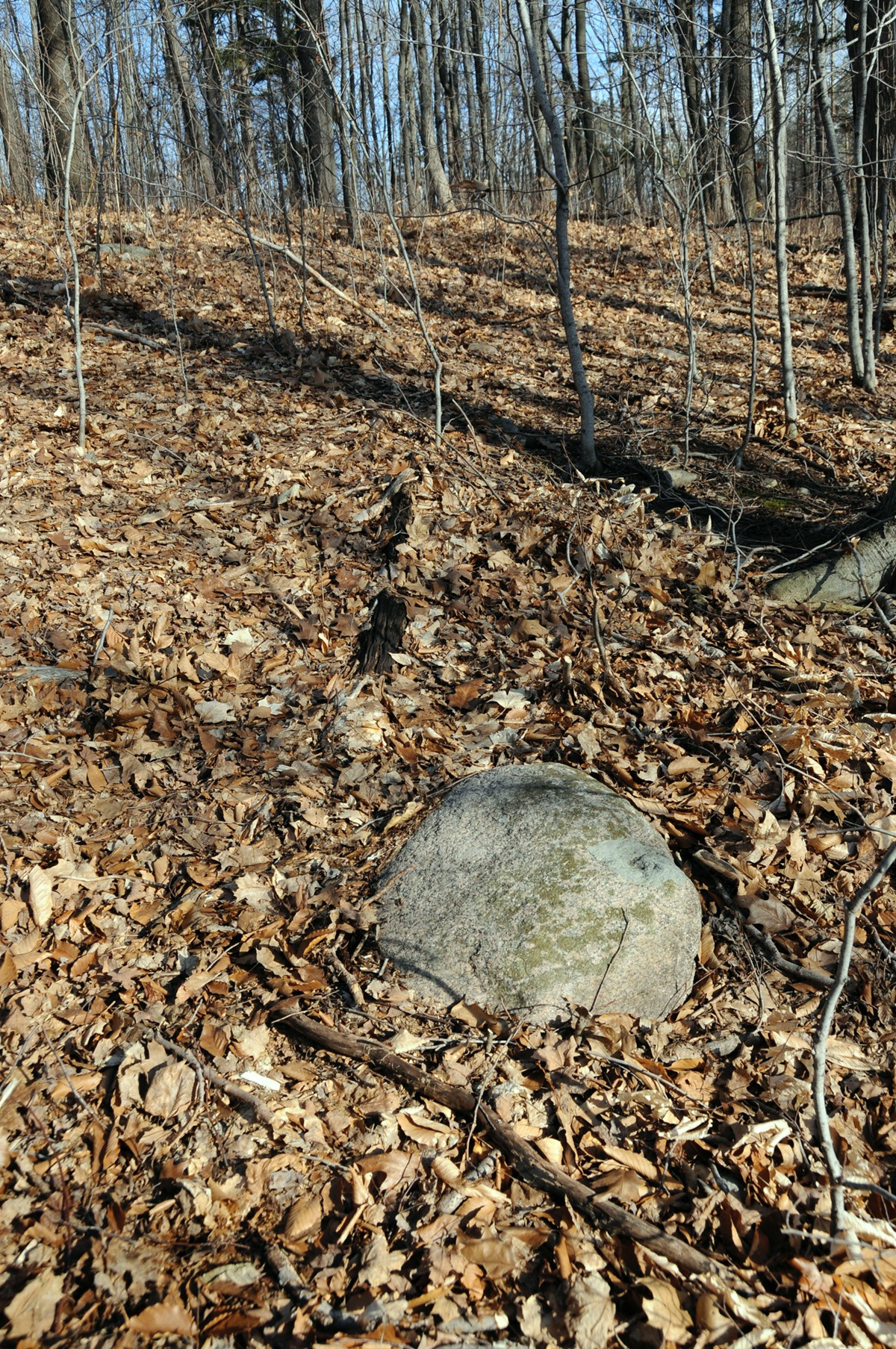
A Stone on Hill Cumorah
Photo Credit: Kenneth Mays, 2009
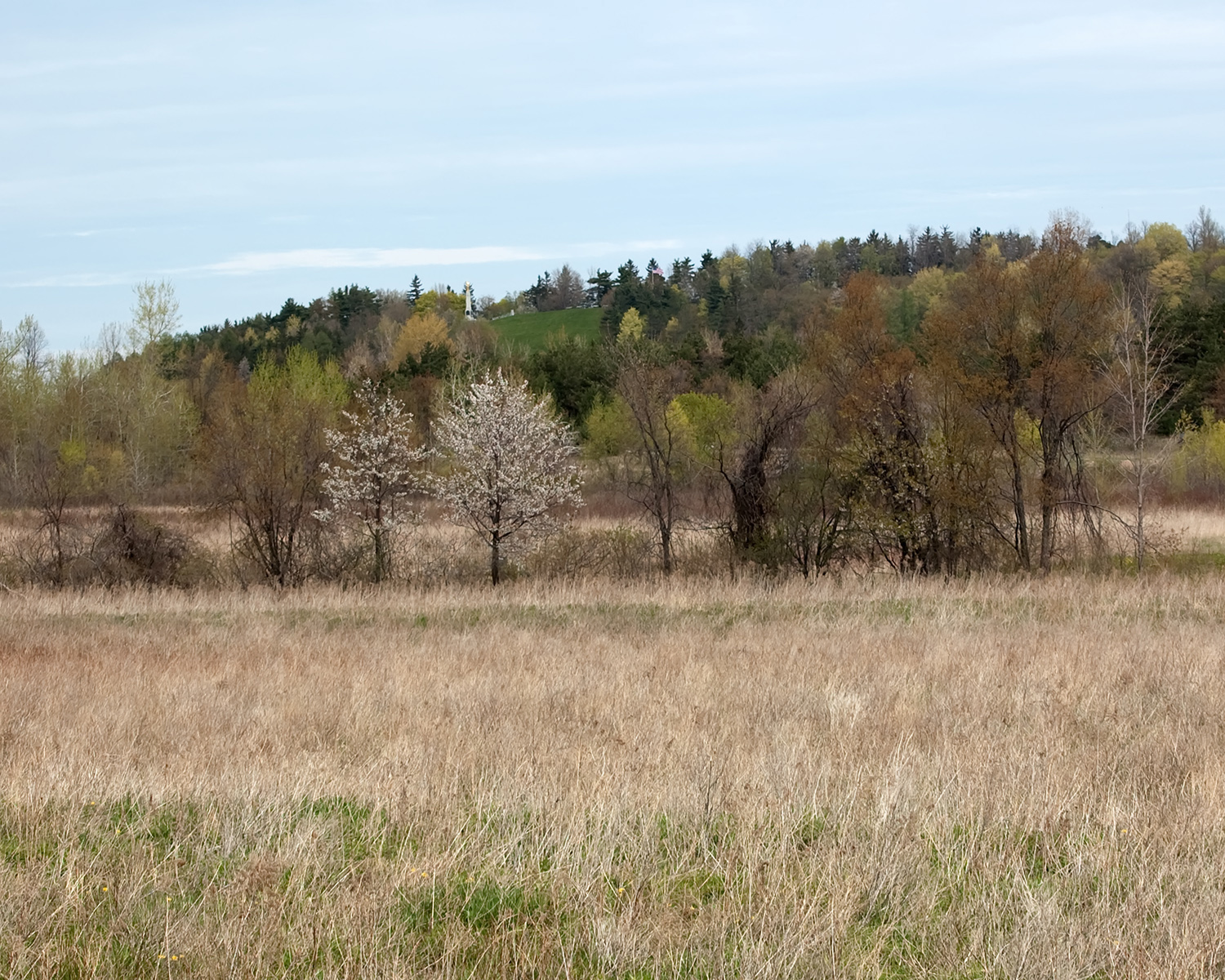
Hill Cumorah from a Distance
Photo Credit: Kenneth Mays, 2006
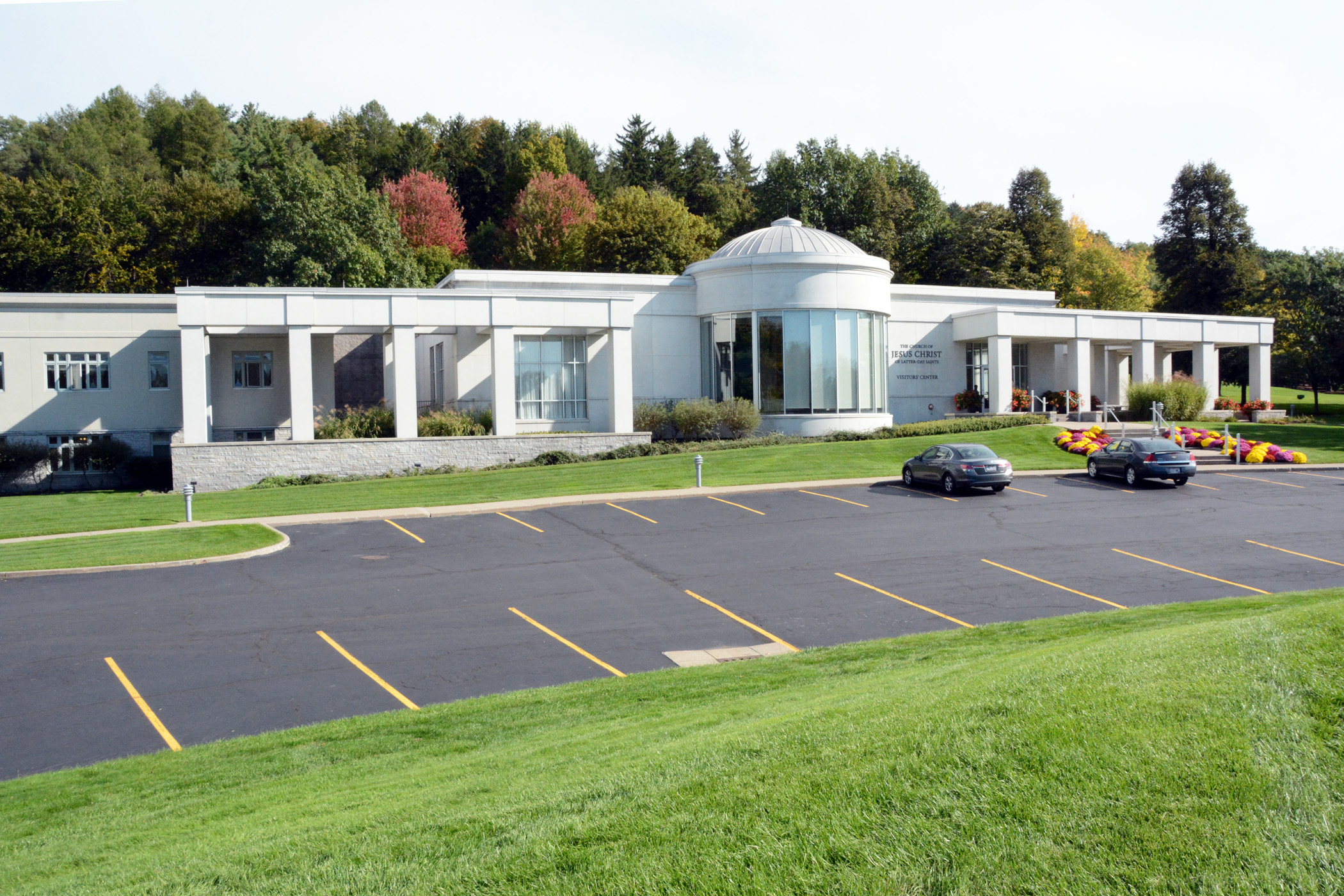
Hill Cumorah Visitors Center
Photo Credit: Kenneth Mays, 2019
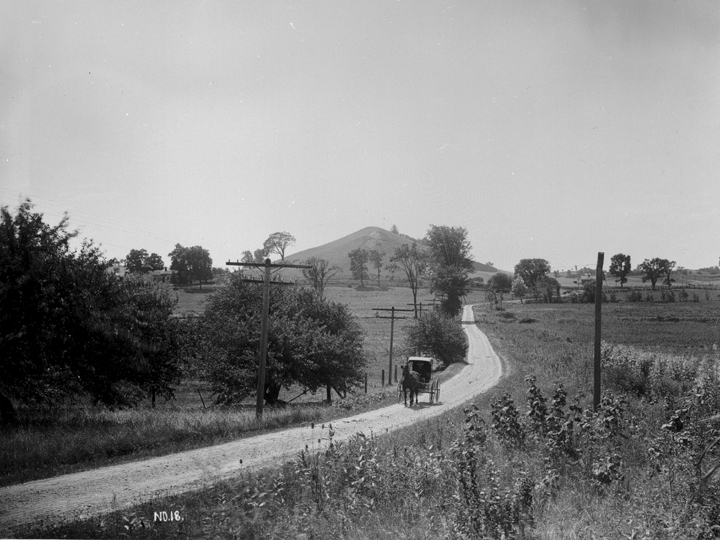
Hill Cumorah Old Photo
Photo Credit: Church History Library
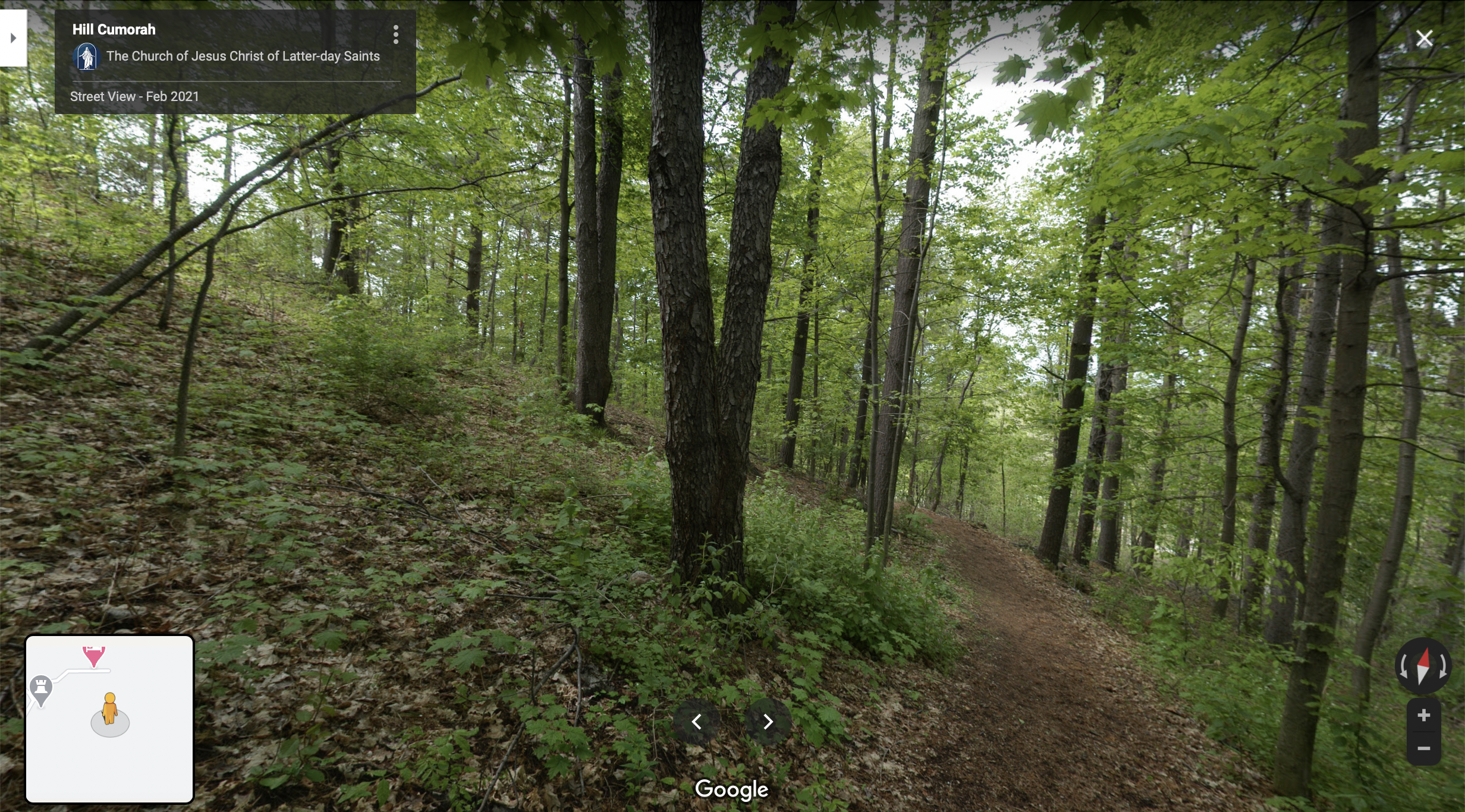
Smith Log Home
Key Points of Interest
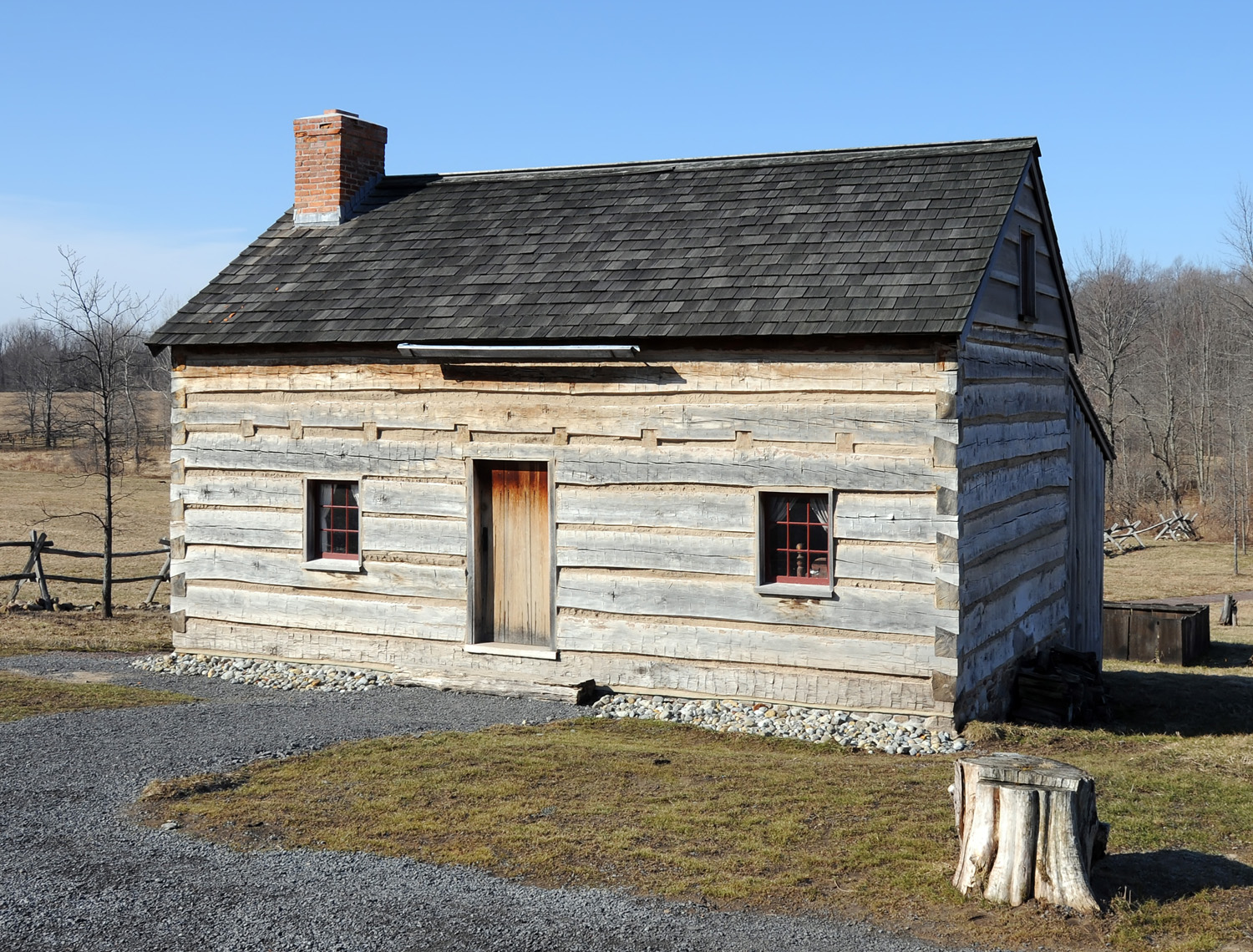
- Joseph Smith, Sr. and Lucy Mack Smith and their children lived in a log home built on this site
- The Smith family was living here when Joseph Smith, Jr. experienced his First Vision in the Sacred Grove nearby
- The angel Moroni first appeared to Joseph Smith, Jr. here on the evening of 21 September 1823
- Joseph's younger sister Lucy was born here in 1821; Joseph's oldest brother, Alvin, passed away here; and Oliver Cowdery finished the printer's manuscript of The Book of Mormon here
- After their marriage Hyrum Smith and his wife, Jerusha, lived in this home
- The Smiths left the home in 1835, and the original home collapsed sometime later; a 1982 archaeological dig revealed the foundation and details about the home's construction
- The reconstructed log home was built in 1997-1998 on the exact site of the original home, and workers used hand tools to give it an authentic look and feel
(Hover over photo for more information, click to enlarge)
(Tap photo to enlarge and see more information)
Front of Rebuilt Smith Log Home
Photo Credit: Kenneth Mays, 2009
Rebuilt Smith Log Home Looking South
Photo Credit: John W. Welch, 2003
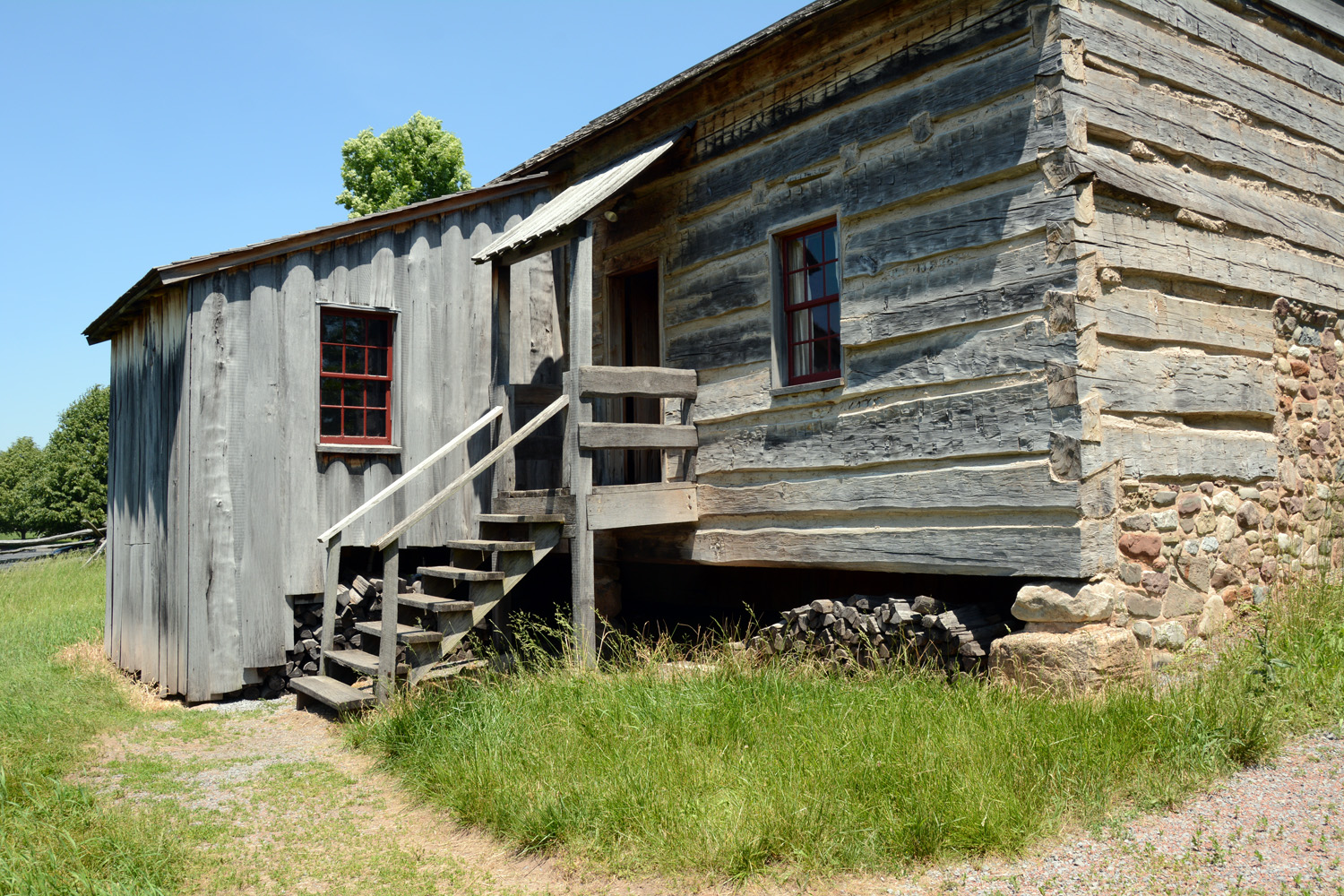
Rebuilt Smith Log Home Rear
Photo Credit: Kenneth Mays, 2017
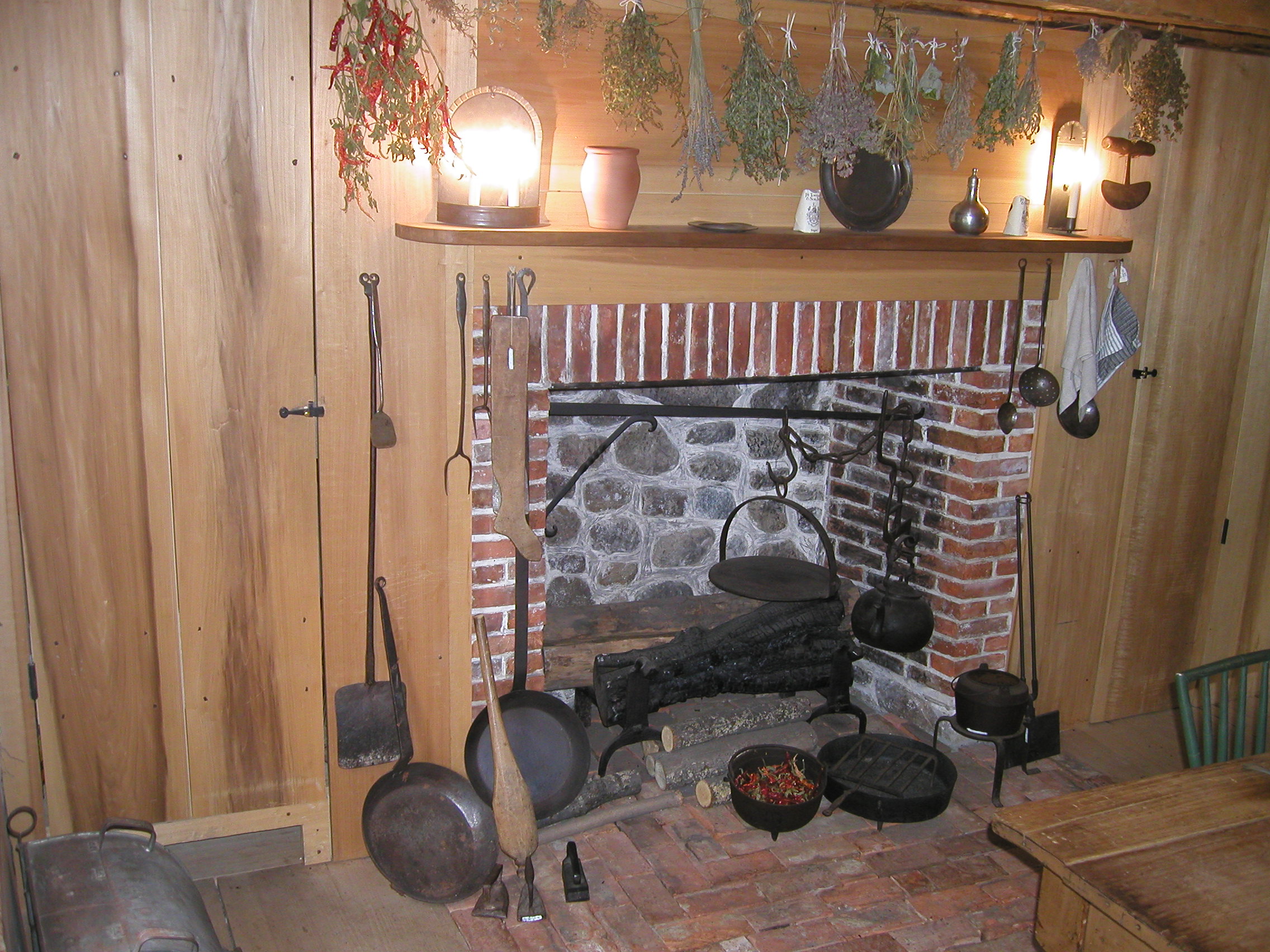
Rebuilt Smith Log Home Fireplace
Photo Credit: John W. Welch, 2003
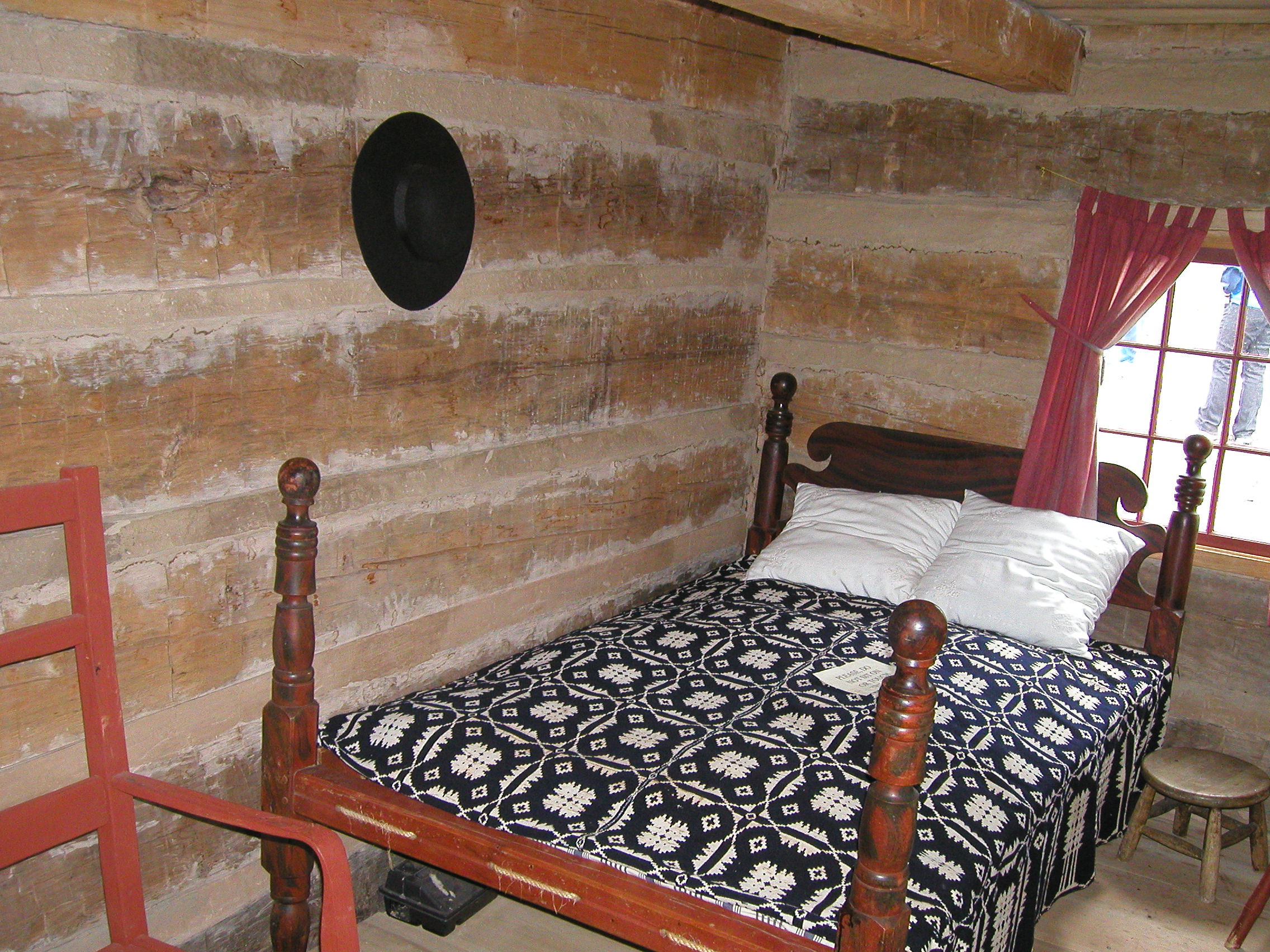
Rebuilt Smith Log Home Ground-level Bedroom
Photo Credit: John W. Welch, 2003
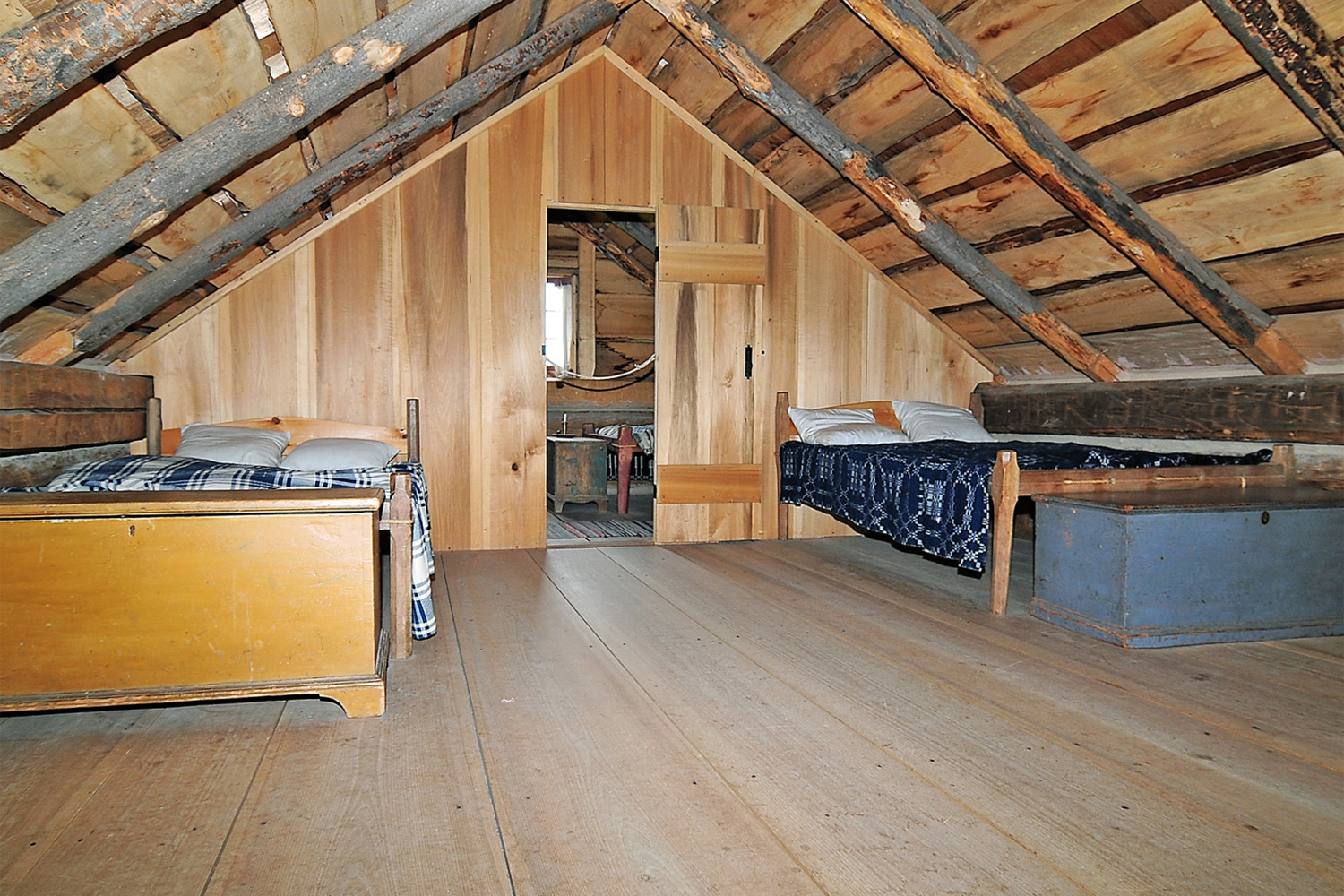
Rebuilt Smith Log Home Upstairs Bedrooms
Photo Credit: Kenneth Mays, 2008
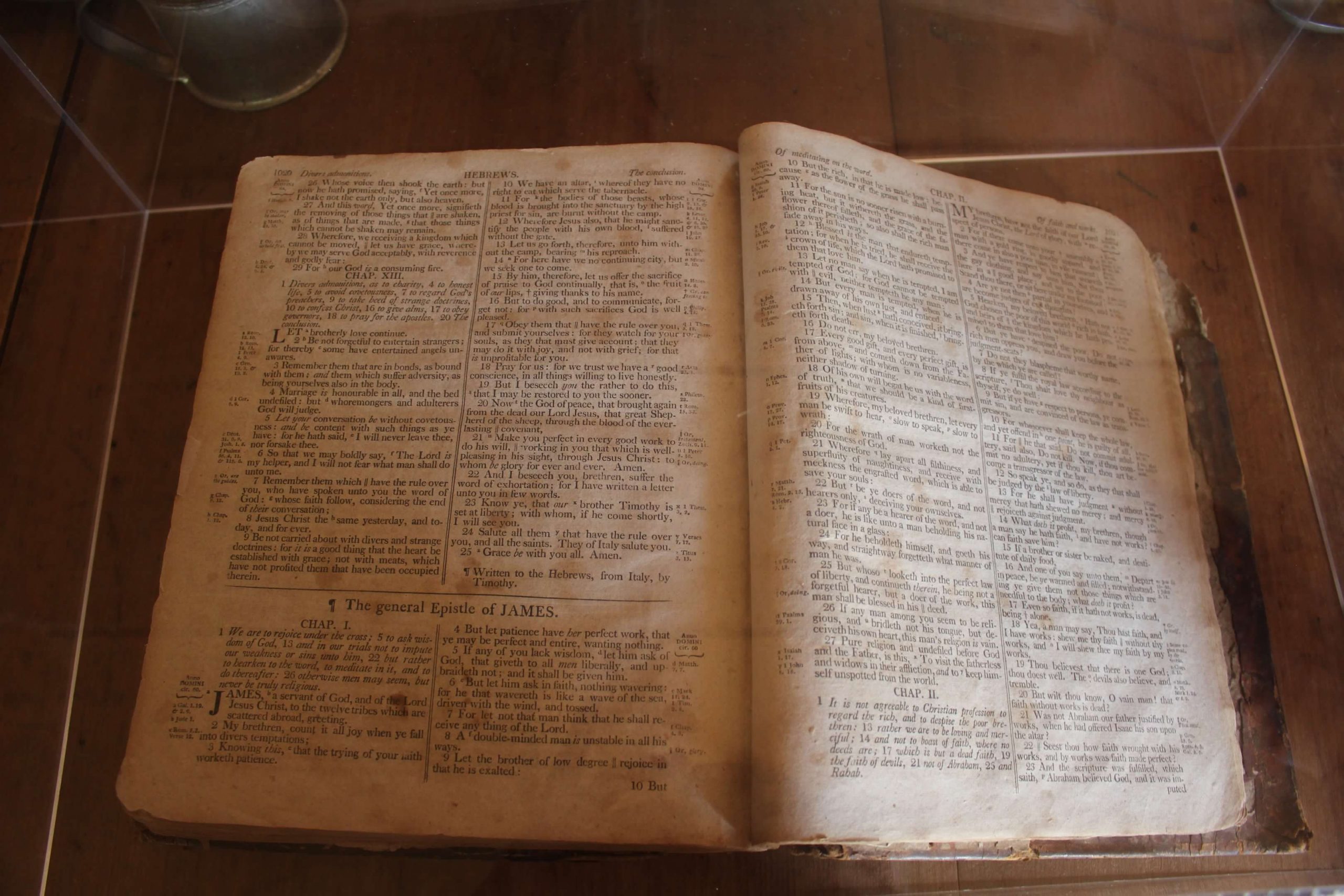
King James Bible at Rebuilt Smith Log Home
Photo Credit: Christina Broberg, 2012
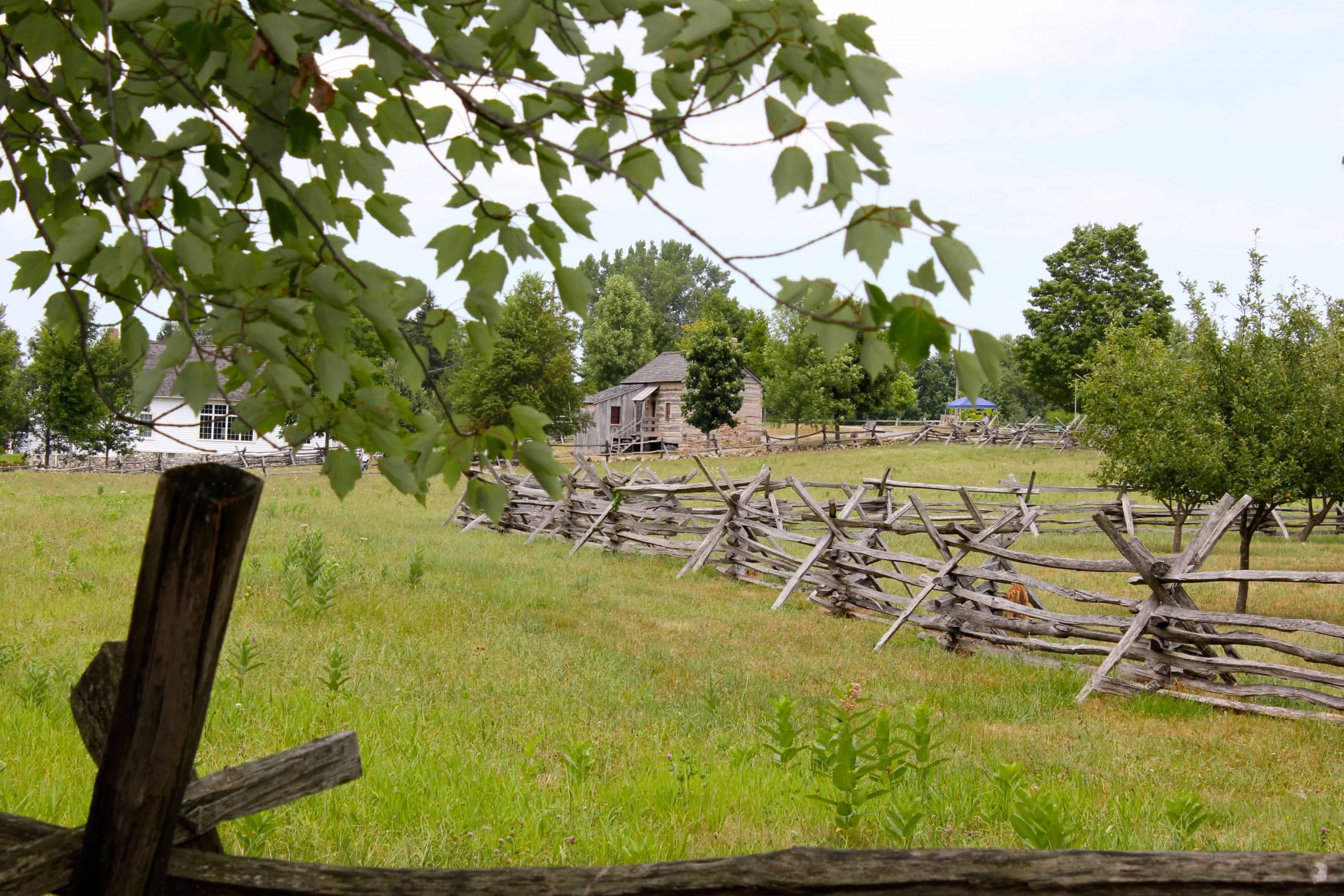
Fence and Rebuilt Smith Log Home
Photo Credit: Christina Broberg, 2012
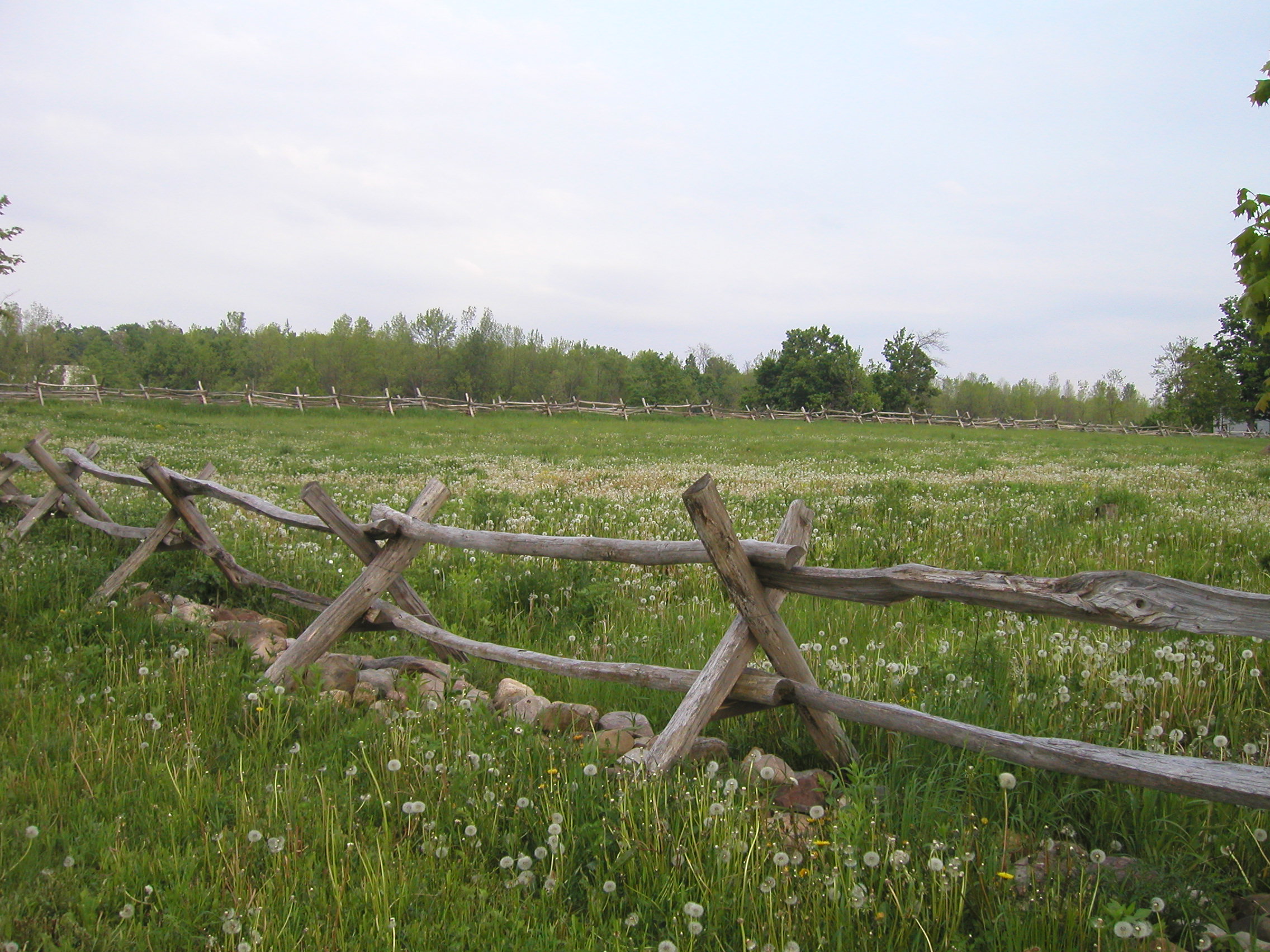
Fence on Smith Farm Property in Palmyra
Photo Credit: John W. Welch, 2003
Smith Farm
Photo Credit: Kenneth Mays, 2019
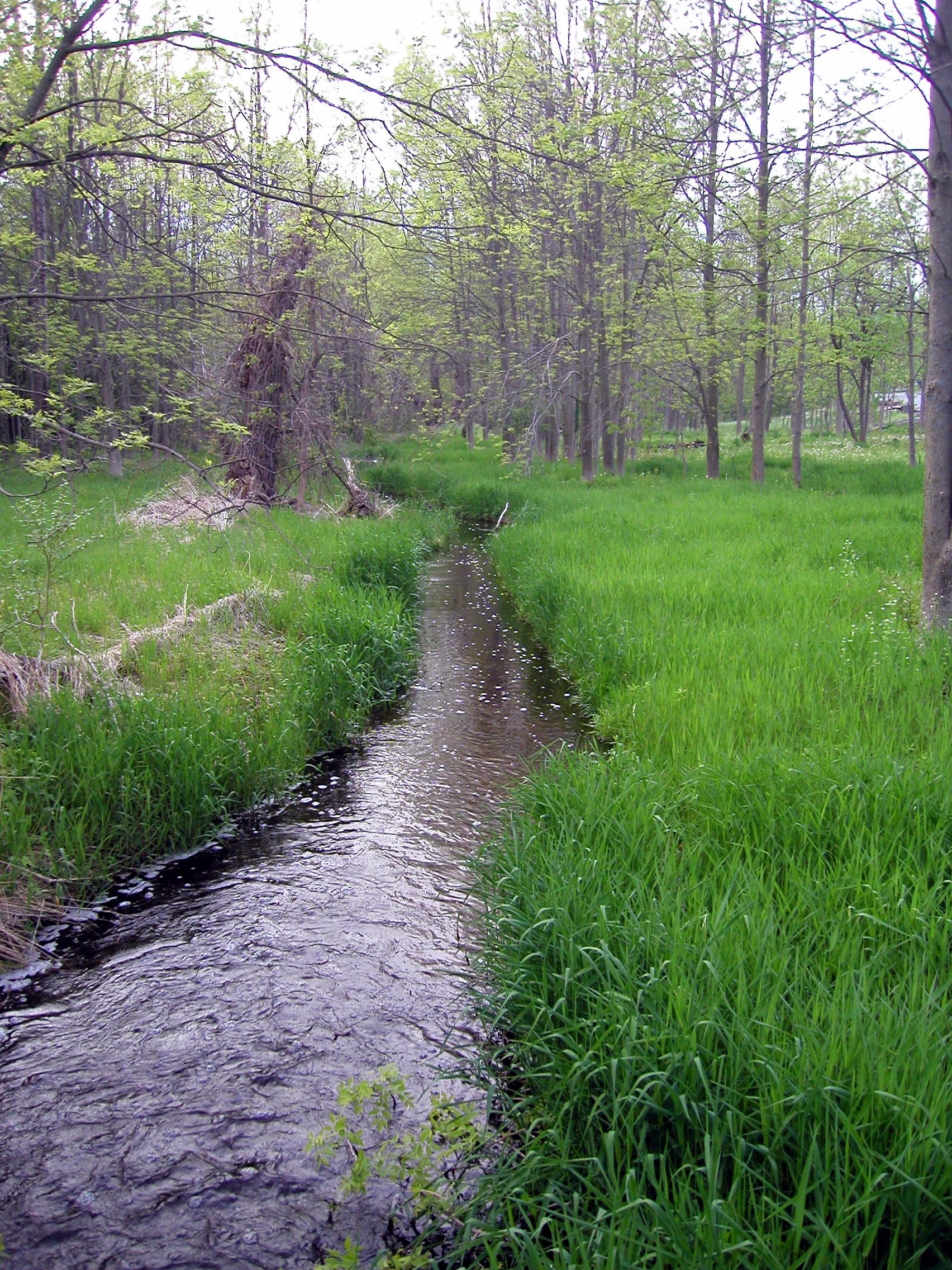
Creek on Smith Farm Property in Palmyra
Photo Credit: John W. Welch, 2003
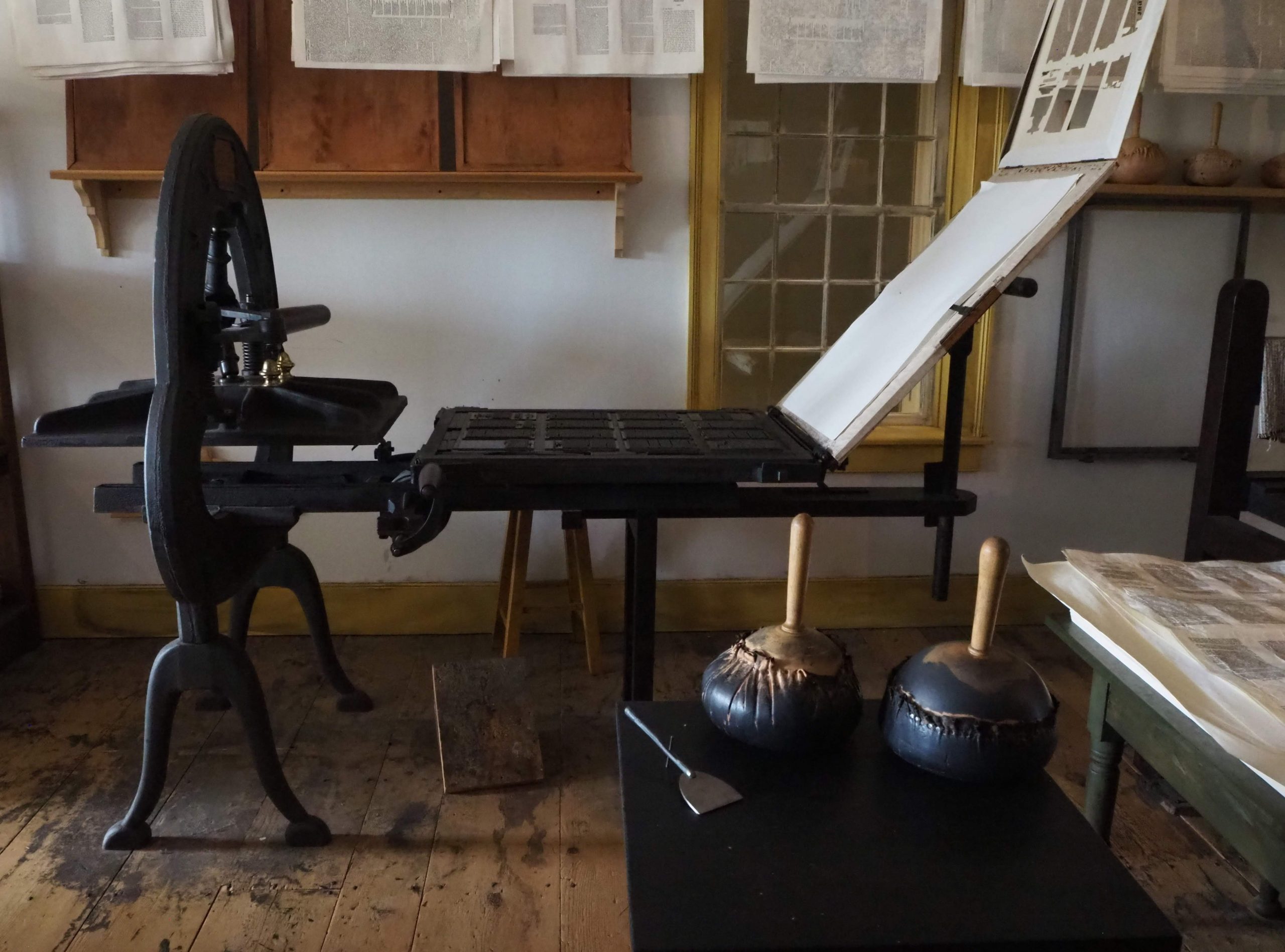
E. B. Grandin Press
Key Points of Interest
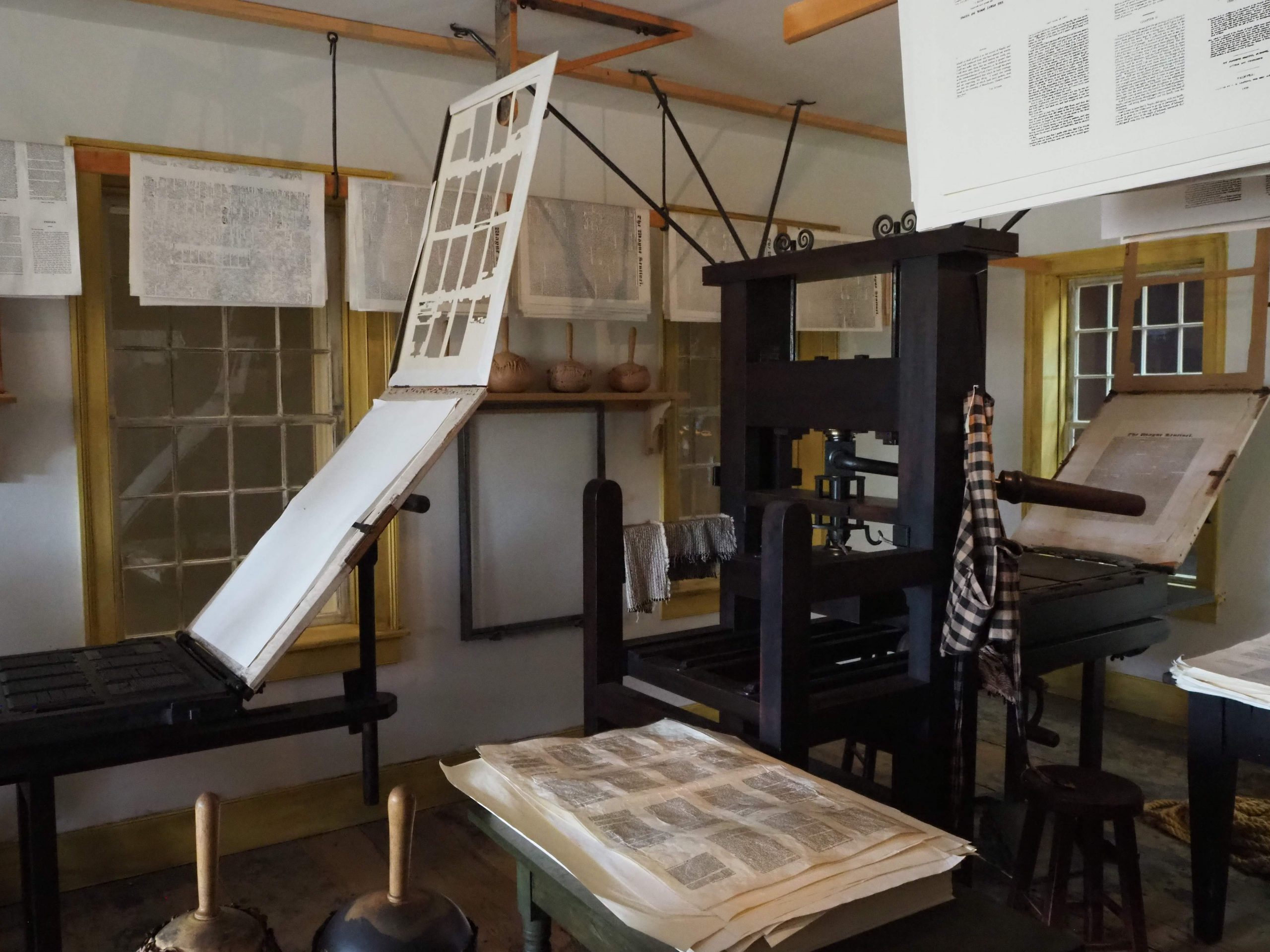
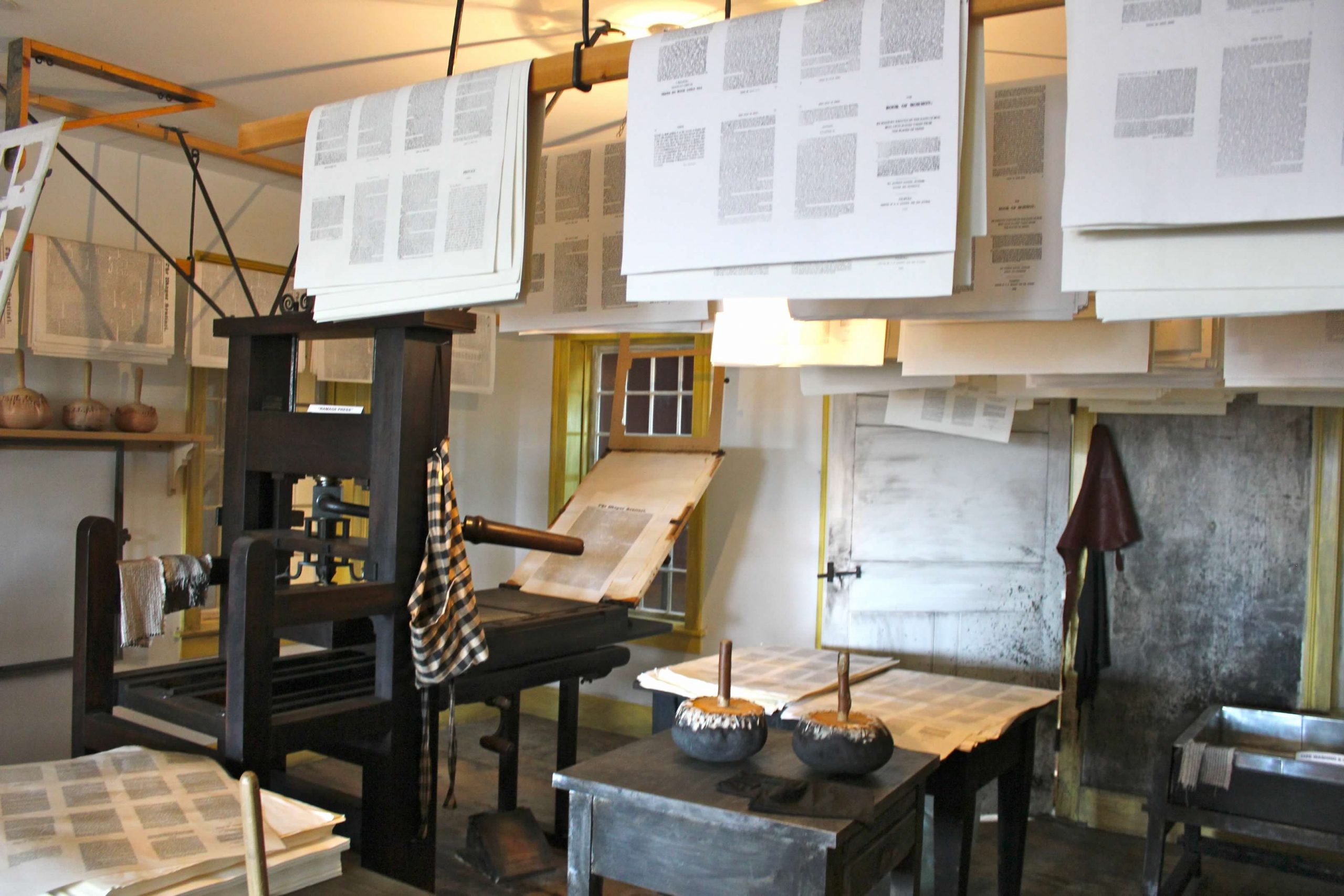
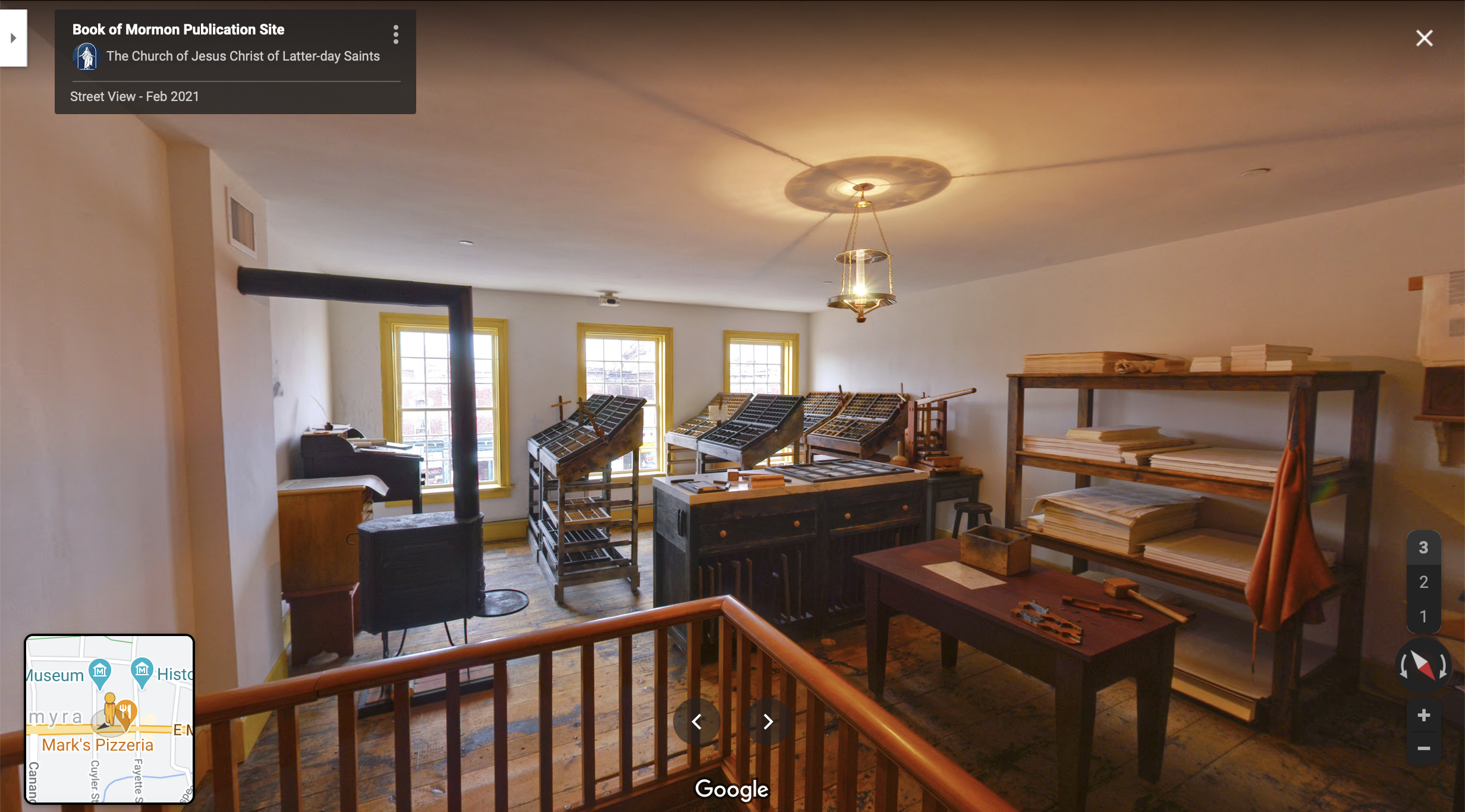
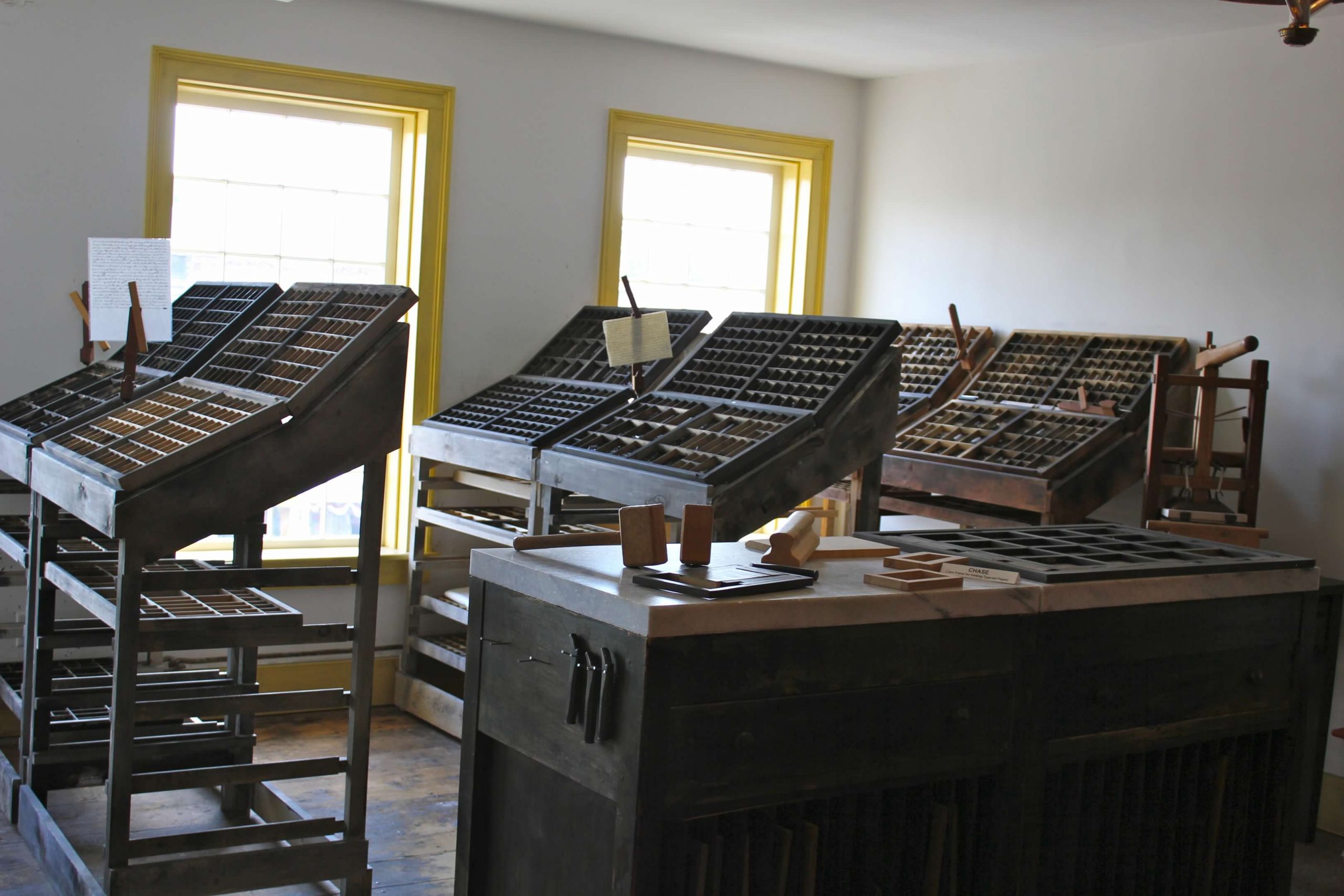
- This is where the first editions of The Book of Mormon were published—the first run was 5,000 copies and cost $3,000 to produce, $0.60 per copy
- Joseph purchased the King James Bible he used for the Joseph Smith Translation of the Bible here for $3.75
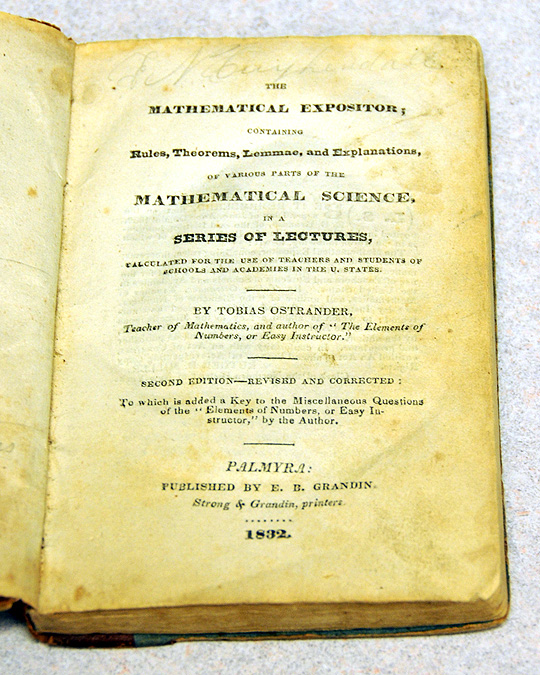
- E. B. Grandin only published two books in his career: one was The Book of Mormon, and the other was a math textbook by Tobias Ostrander
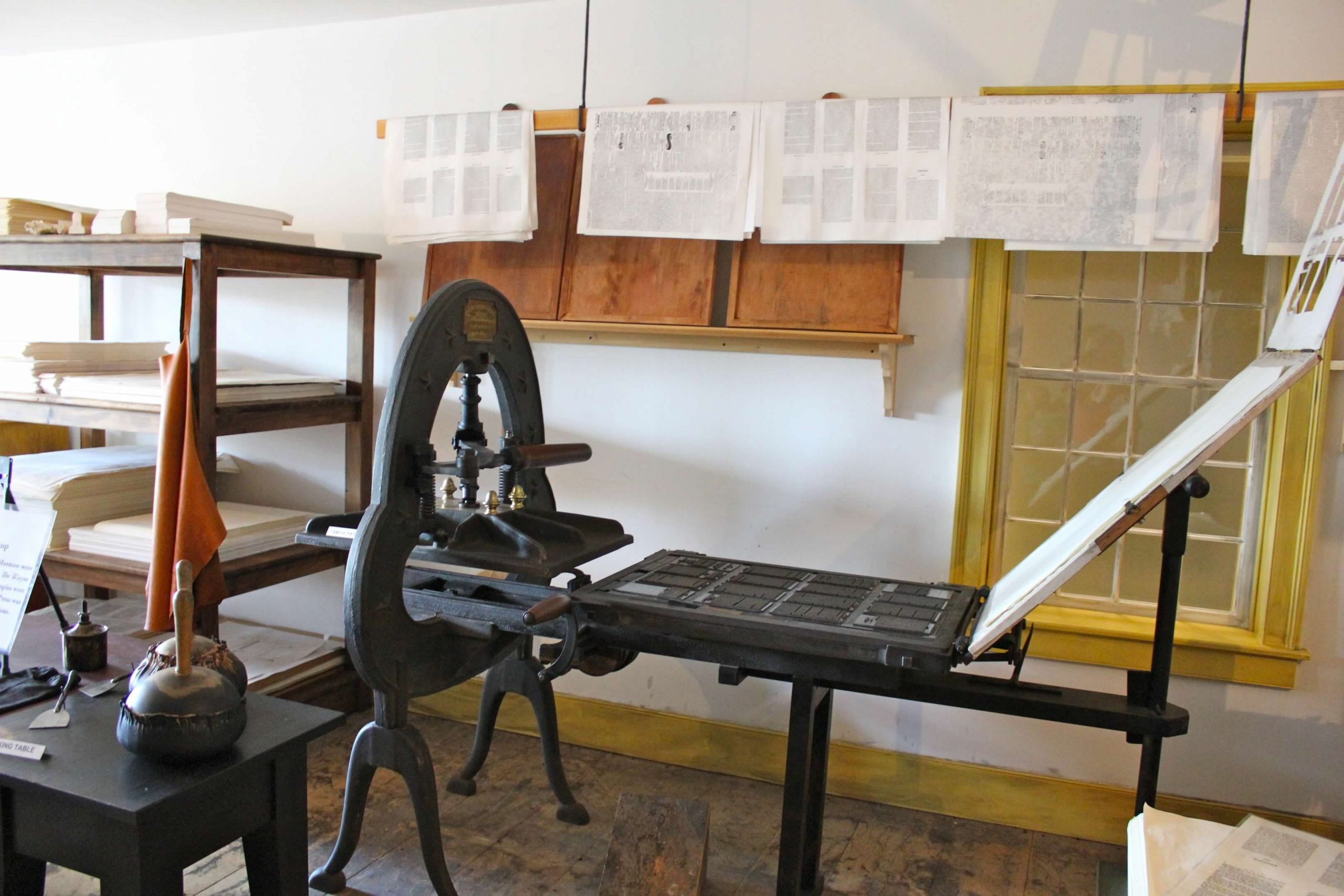
- The Book of Mormon was printed on a Smith Acorn Press (no relation to Joseph Smith or the Smith family), which is now housed in the Church History Museum and has been replaced by a replica
(Hover over photo for more information, click to enlarge)
(Tap photo to enlarge and see more information)
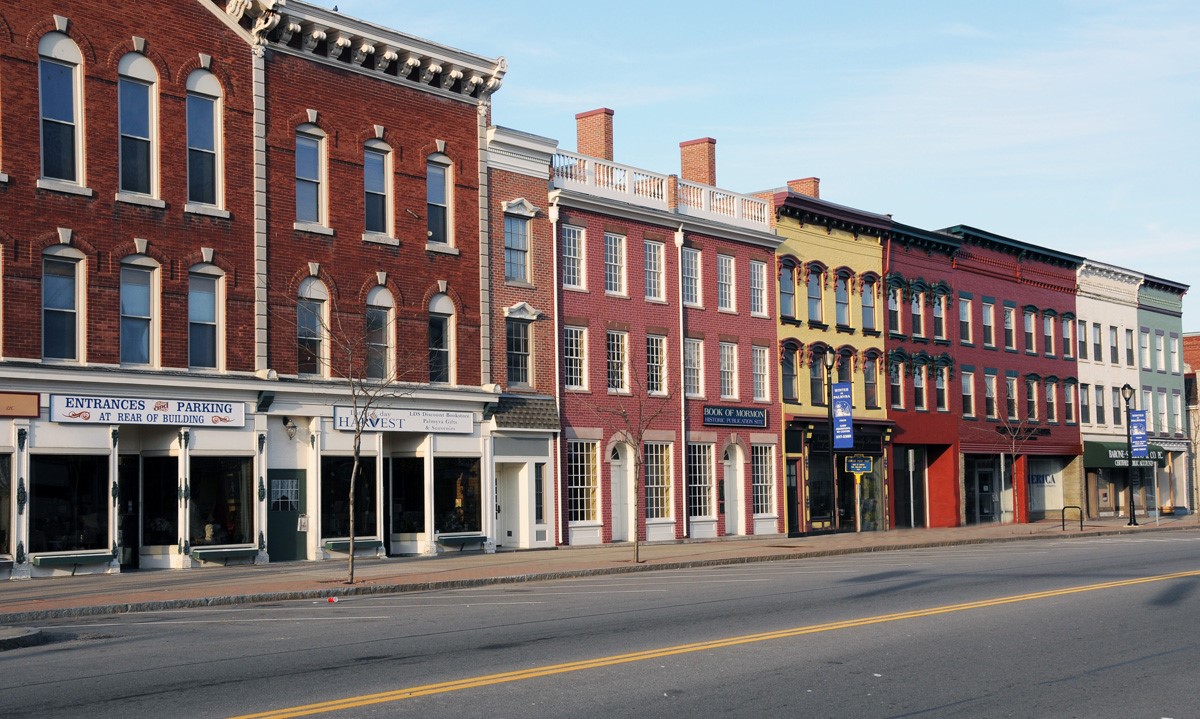
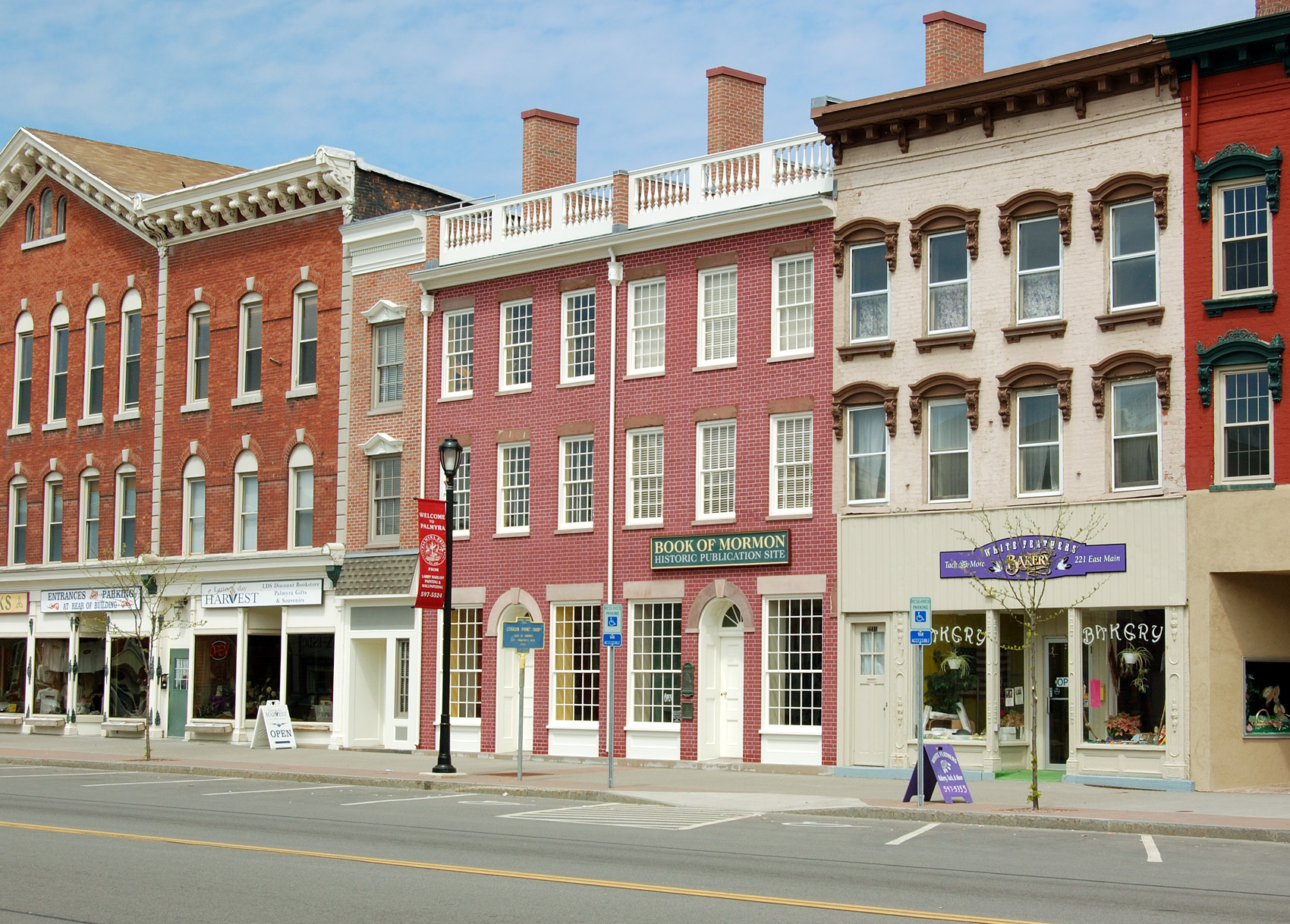
E. B. Grandin Press Storefront
Photo Credit: Kenneth Mays, 2009
E. B. Grandin Press Storefront from Right
Photo Credit: Kenneth Mays, 2006
E. B. Grandin Press Typesetting Desk
Photo Credit: John W. Welch, 2003
E. B. Grandin Press Type Boxes
Photo Credit: Christina Broberg, 2012
E. B. Grandin Small Letter Press
Photo Credit: Christina Broberg, 2012
E. B. Grandin Small Letter Press
Photo Credit: Janet Cramer, 2018
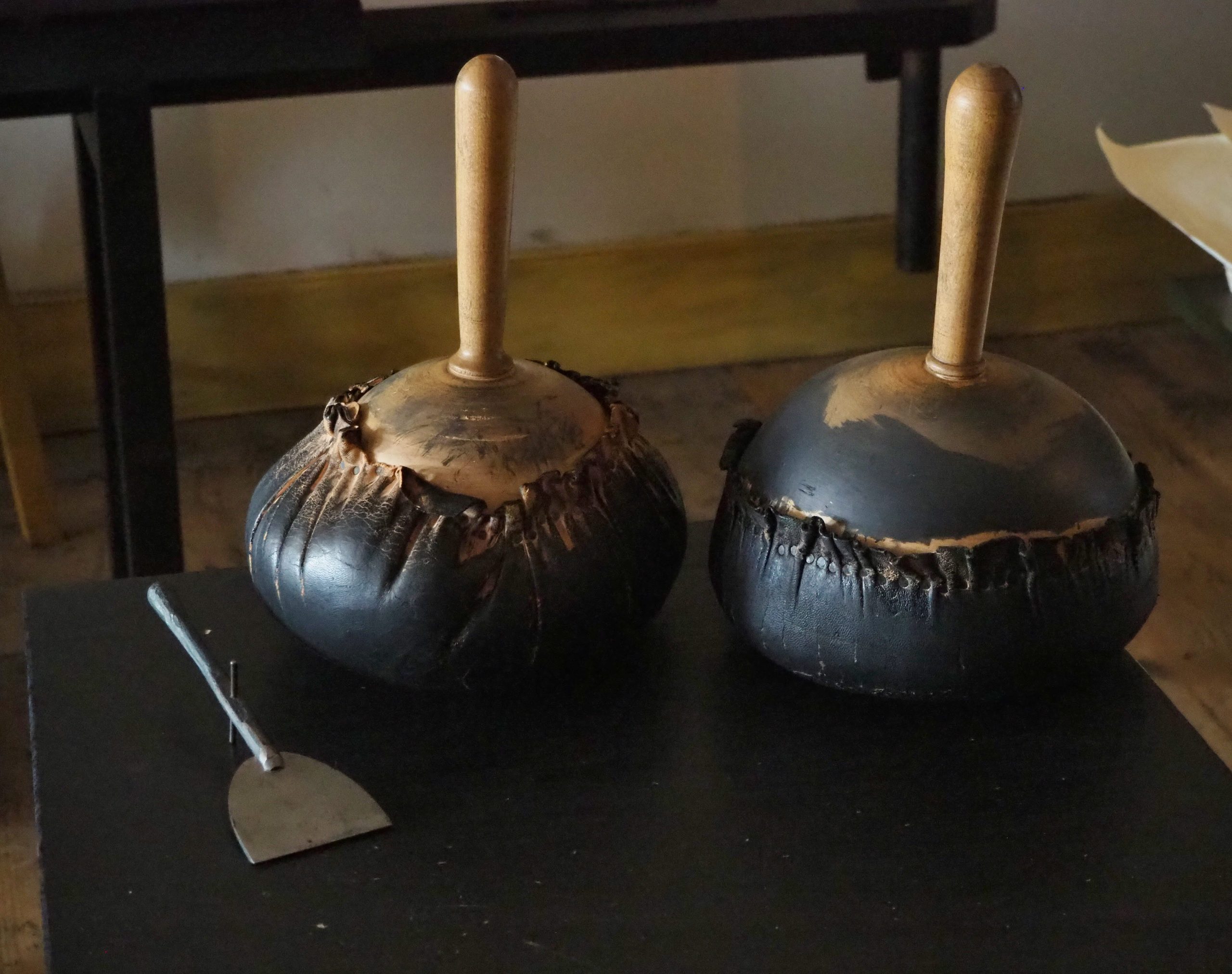
E. B. Grandin Press Ink Daubers
Photo Credit: Janet Cramer, 2018
E. B. Grandin Press Printing Area
Photo Credit: Janet Cramer, 2018
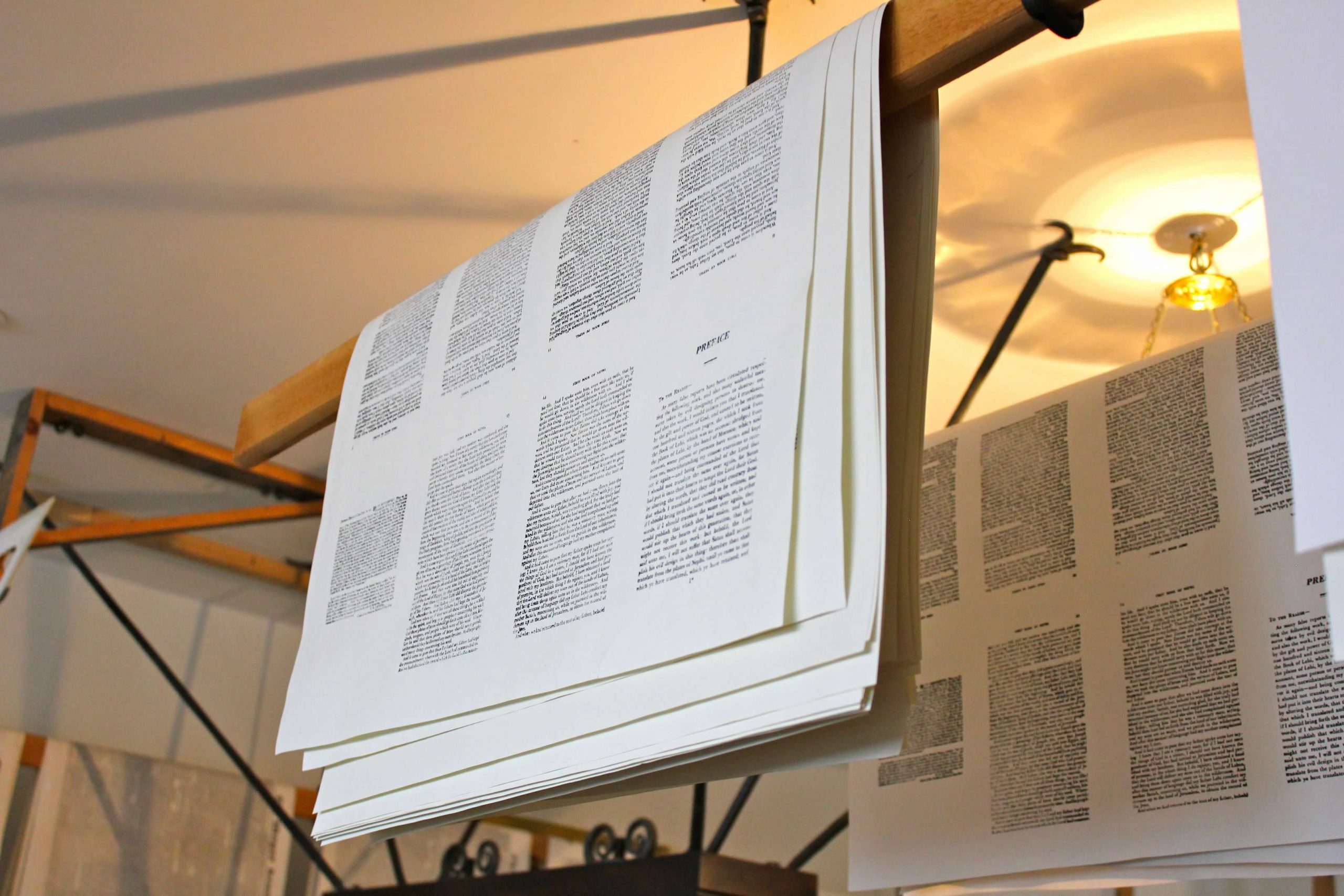
E. B. Grandin Press with Printed Sheets
Photo Credit: Christina Broberg, 2012
E. B. Grandin Press Printed Sheets
Photo Credit: Christina Broberg, 2012
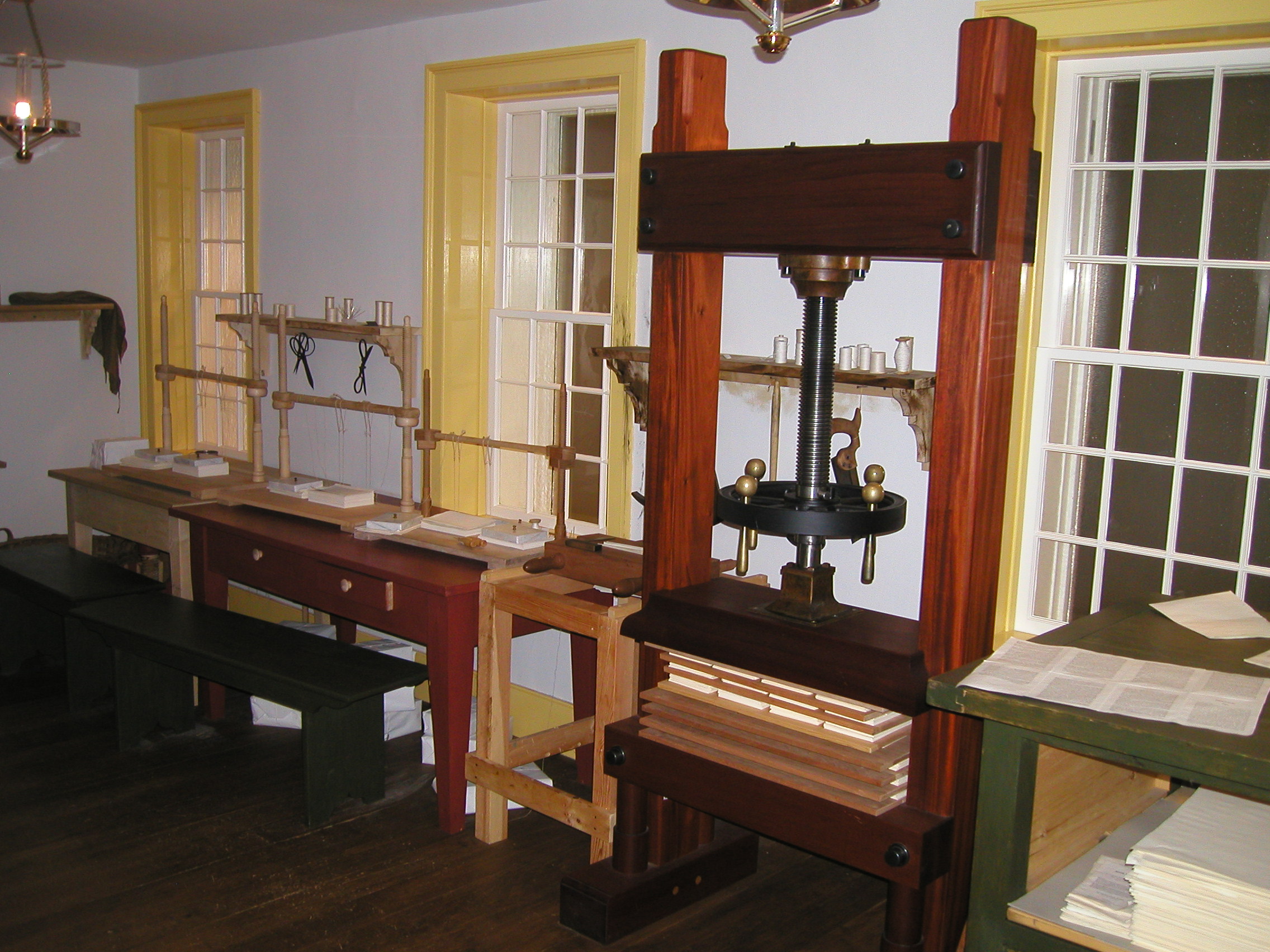
E. B. Grandin Press Binding Equipment
Photo Credit: John W. Welch, 2003
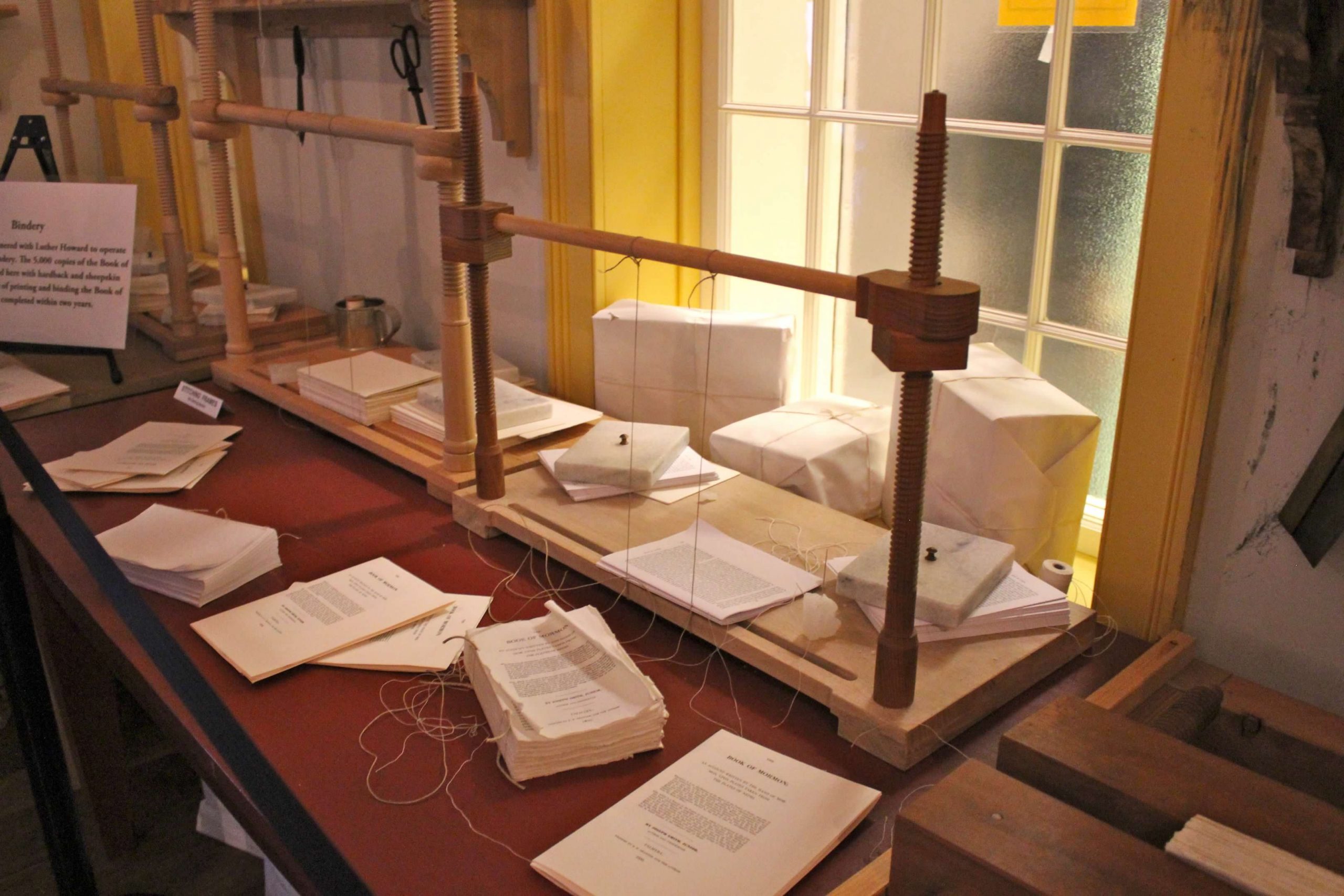
E. B. Grandin Press Stitching Tools
Photo Credit: Christina Broberg, 2012
E. B. Grandin Press Gluing Equipment
Photo Credit: Christina Broberg, 2012
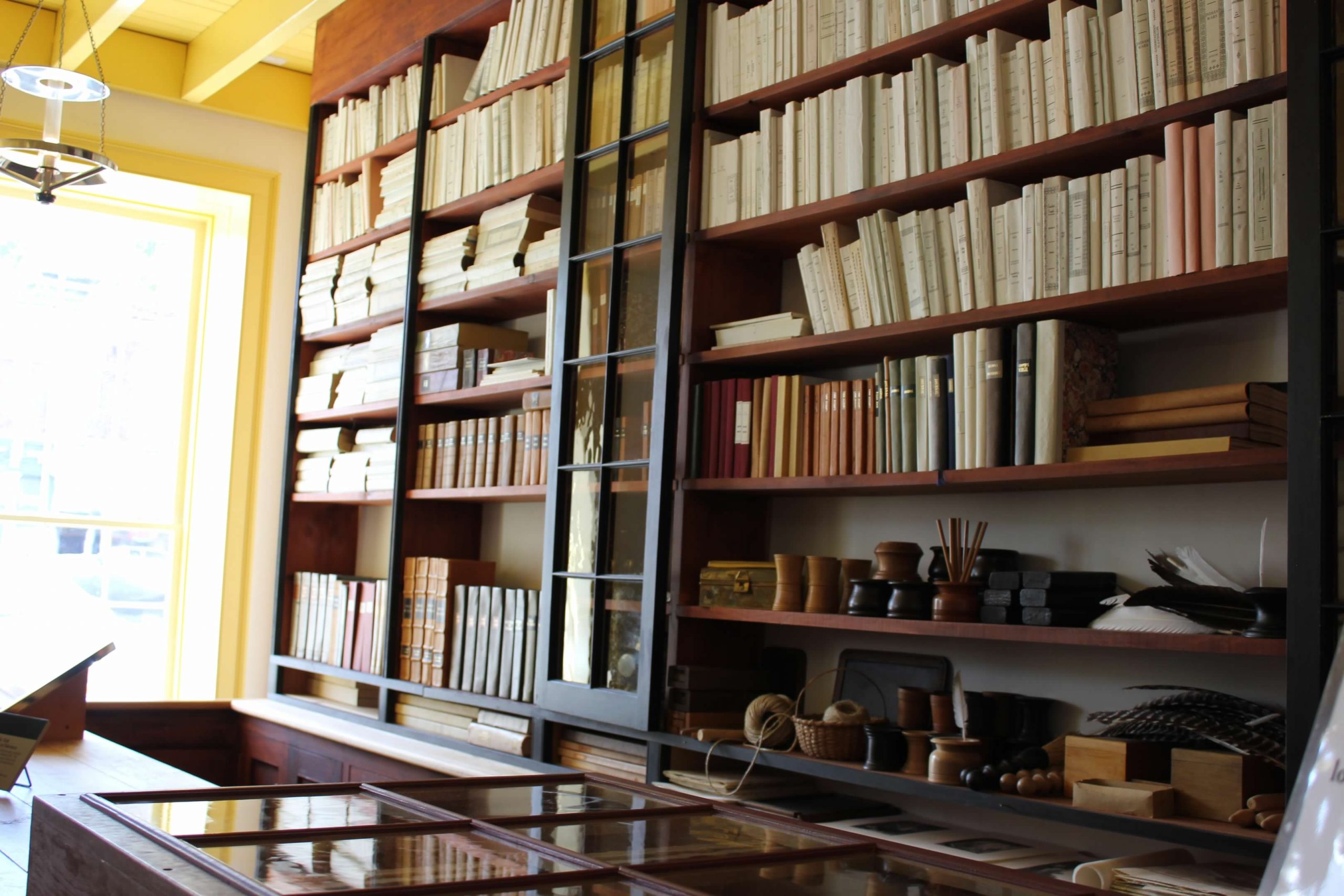
E. B. Grandin Press Bookshelves
Photo Credit: John W. Welch, 2003
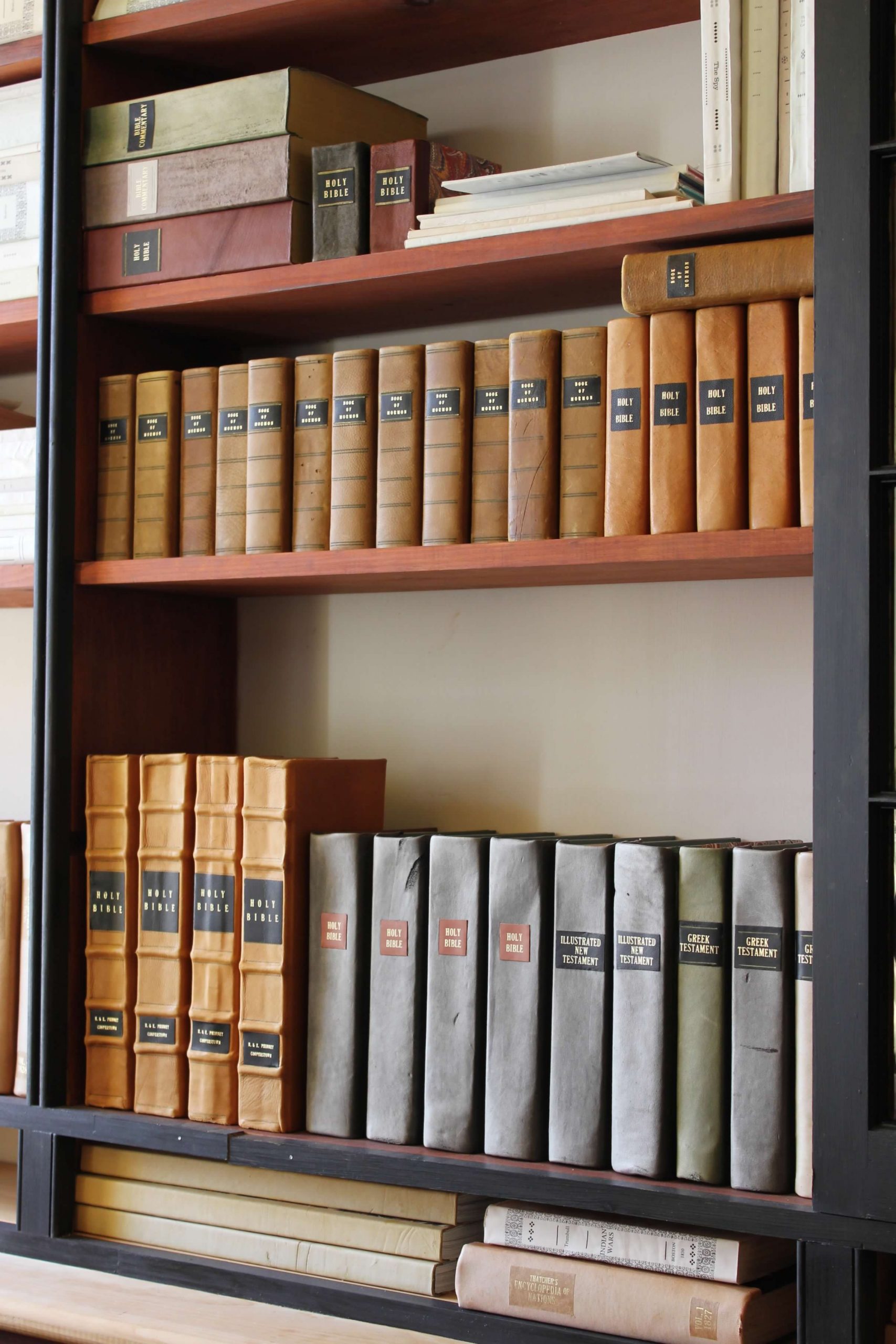
E. B. Grandin Press Bookshelf
Photo Credit: Christina Broberg, 2012
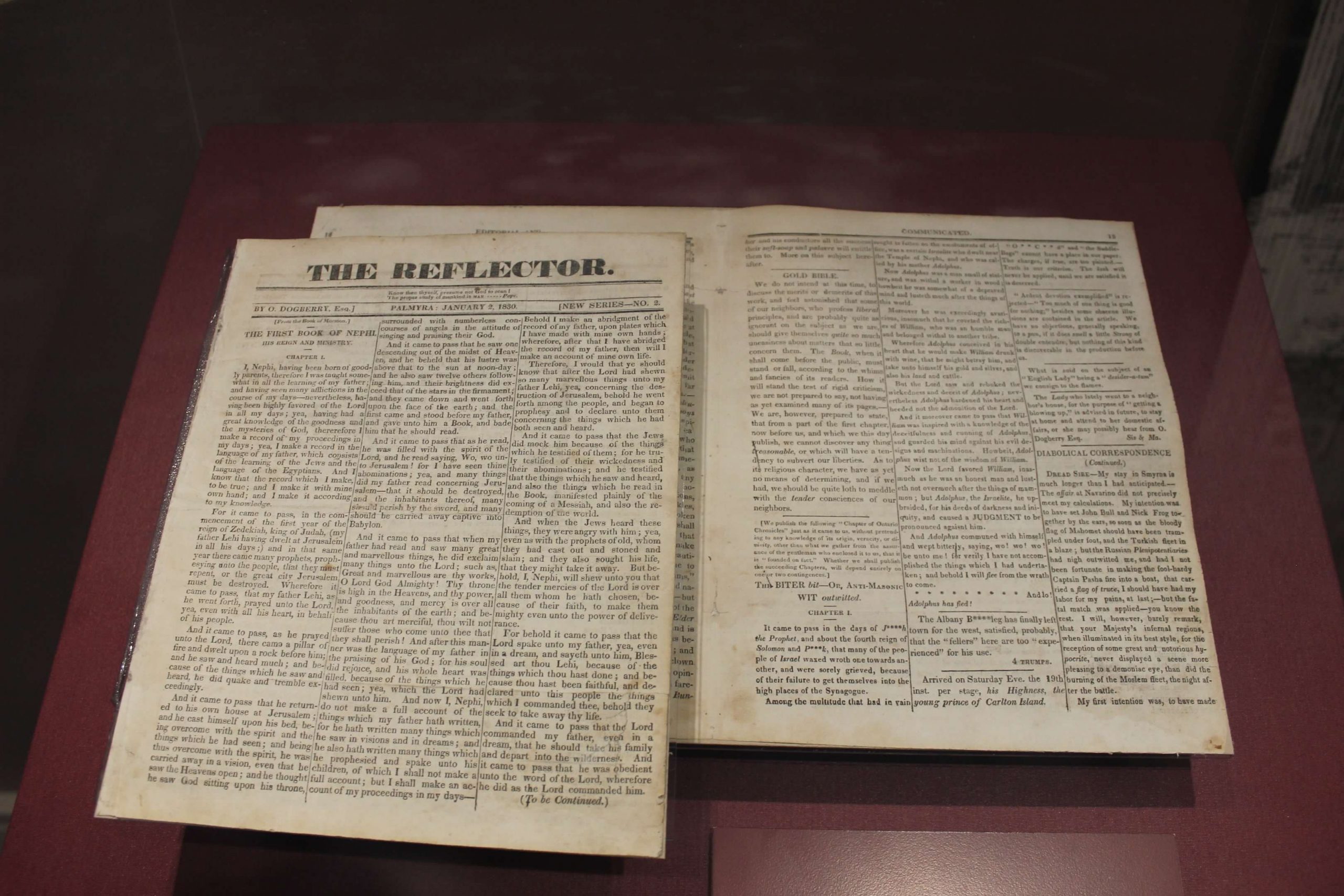
Copy of Abner Cole's "Reflector"
Photo Credit: Christina Broberg, 2012
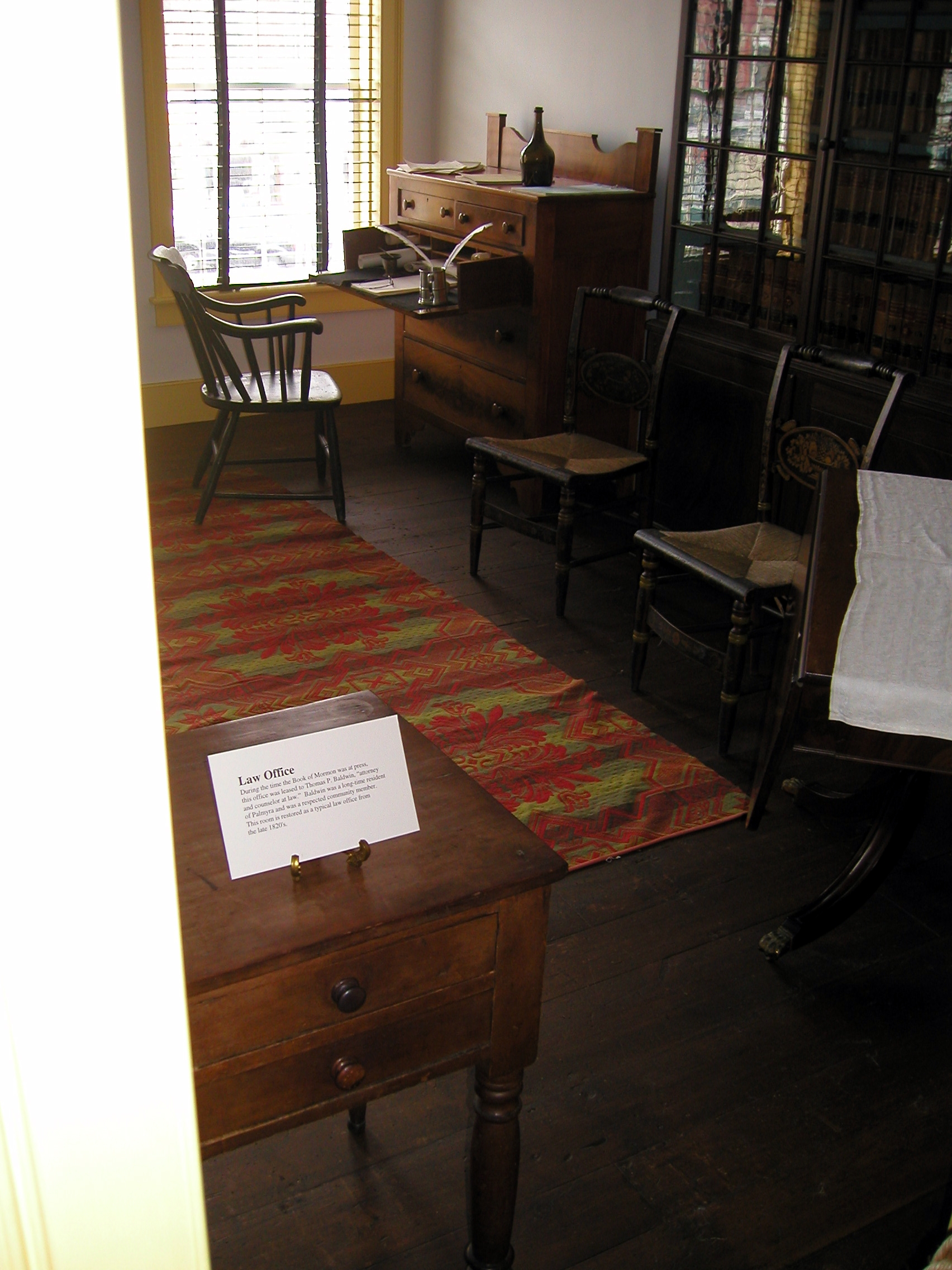
E. B. Grandin Press Office
Photo Credit: John W. Welch, 2003
Tobias Ostrander Math Book
Photo Credit: Kenneth Mays, 2001
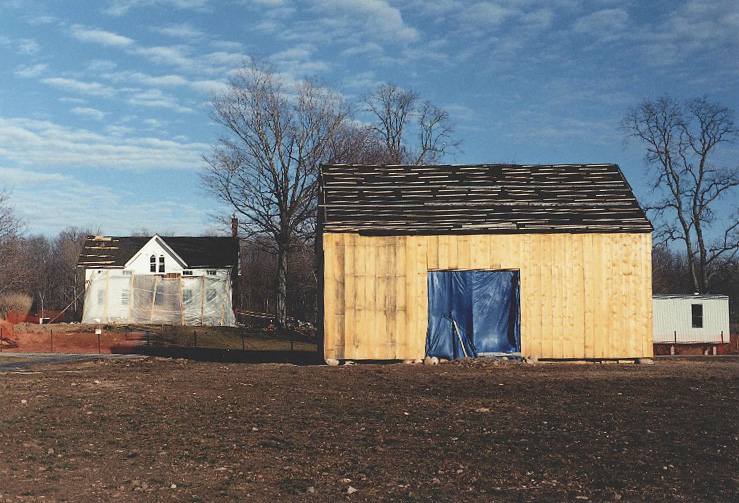
Smith Frame Home
Key Points of Interest
- Alvin Smith began construction on this larger farmhouse on the Smith property in 1822 but died in 1823. The Smith family was moved into the home by early 1826
- In January 1827, after their marriage, Joseph and Emma moved into the home with the Smith family
- After obtaining the golden plates in 1827, Joseph Smith, Jr. hid them several places in and around the frame home to keep them safe
- At the frame home Joseph learned that Martin Harris lost the 116 pages of manuscript he had translated
- Oliver Cowdery boarded here with the family from late 1828 to early 1829 and left for Harmony April 1829 to help Joseph with his work
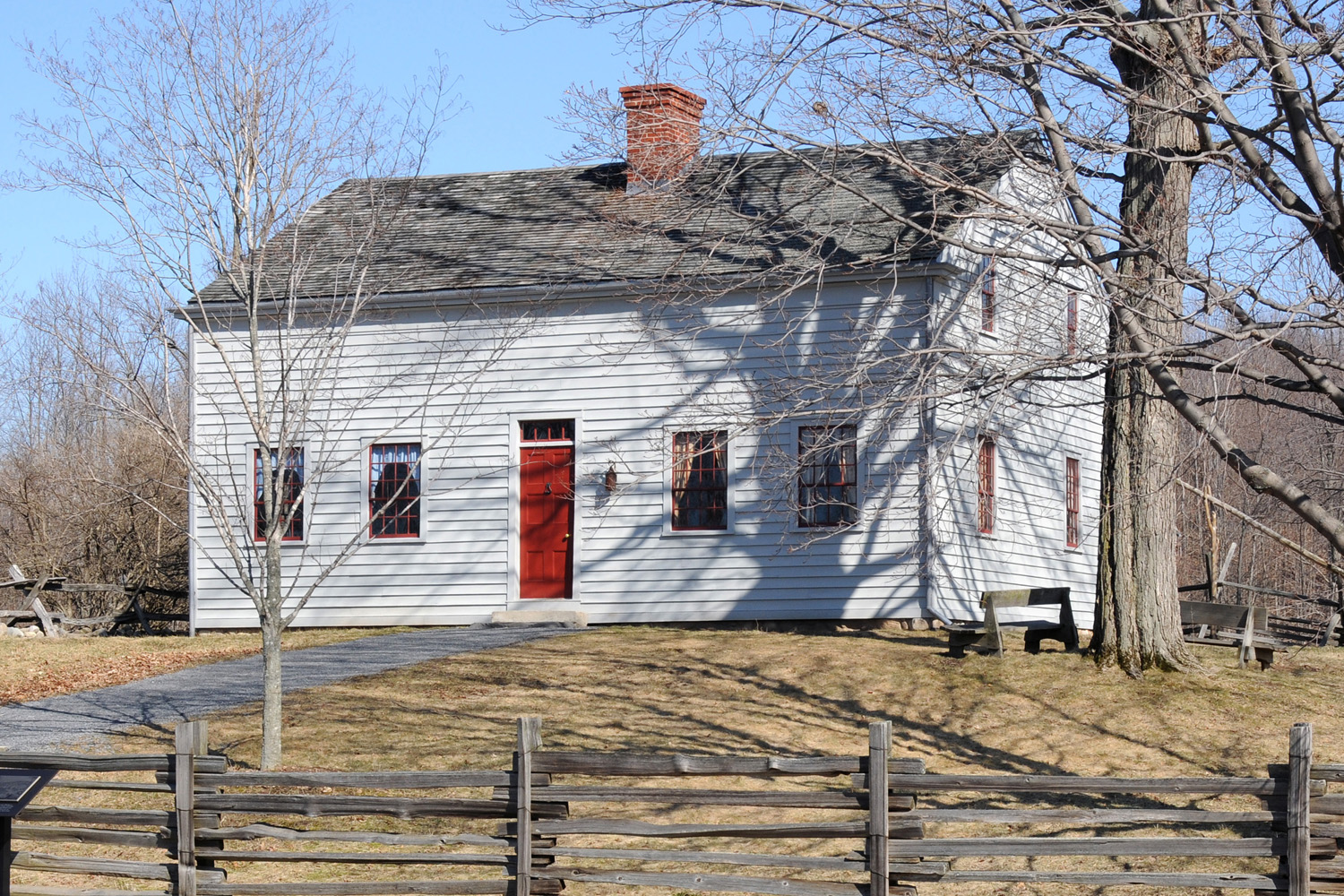
- The original frame home still stands on its original foundation, and a restoration project in 1998 returned the home to its 1820s appearance
(Hover over photo for more information, click to enlarge)
(Tap photo to enlarge and see more information)
Smith Frame Home
Photo Credit: Kenneth Mays, 2009
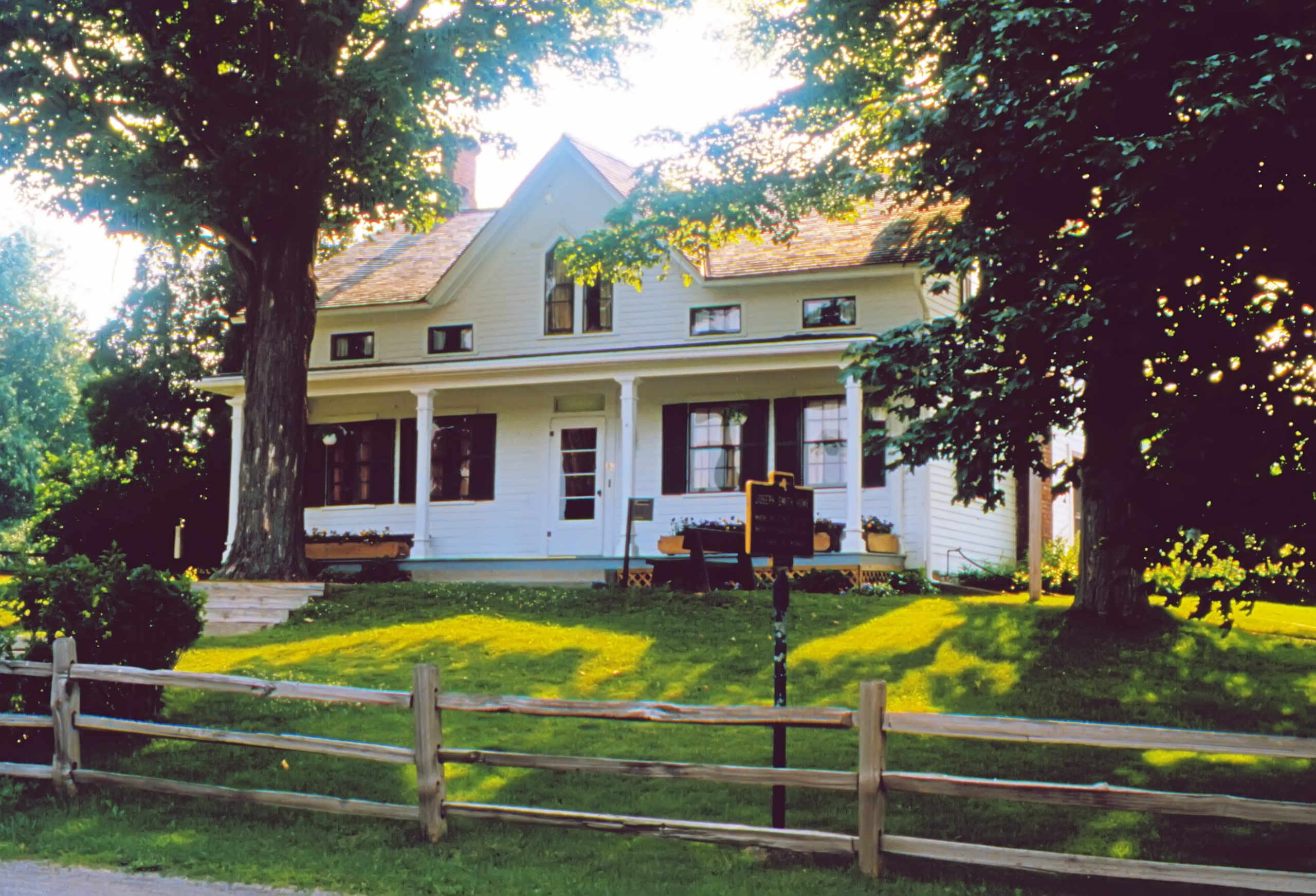
Smith Frame Home Front
Photo Credit: Kenneth Mays, 2009
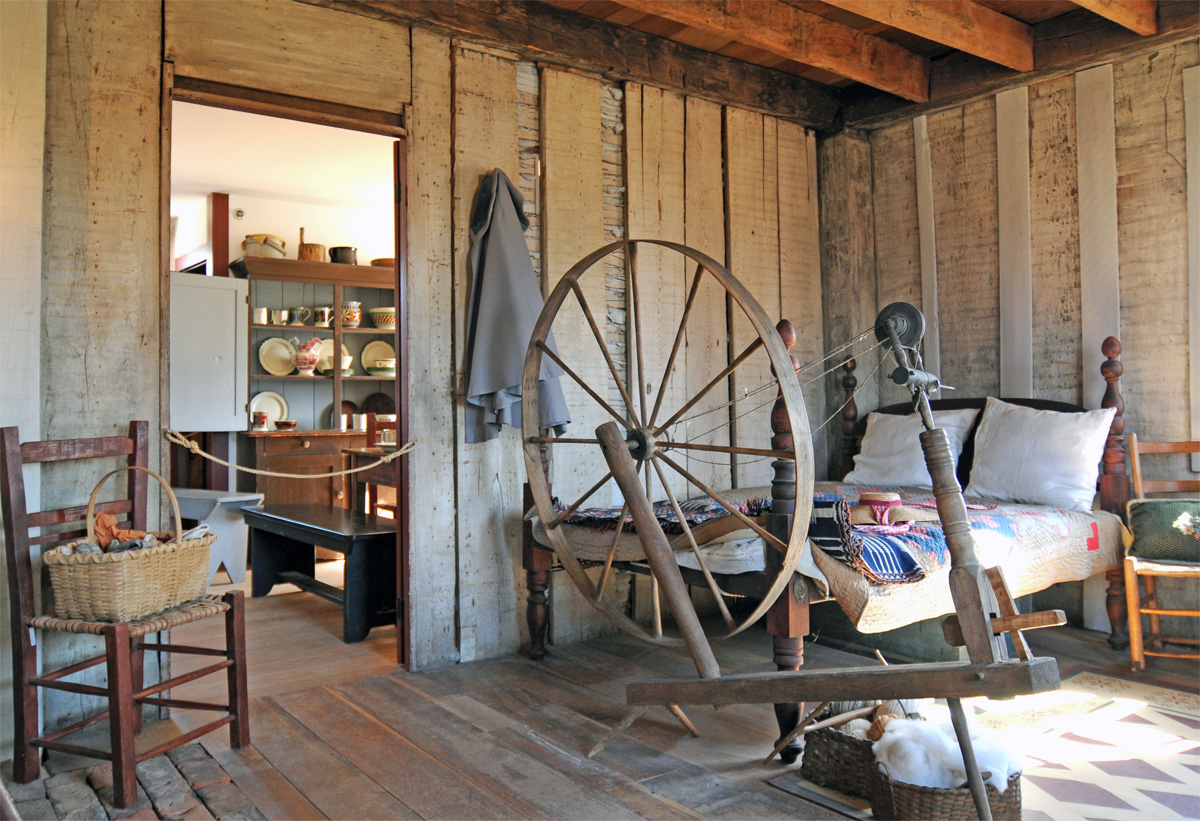
Smith Frame Home Bedroom
Photo Credit: Kenneth Mays, 2009
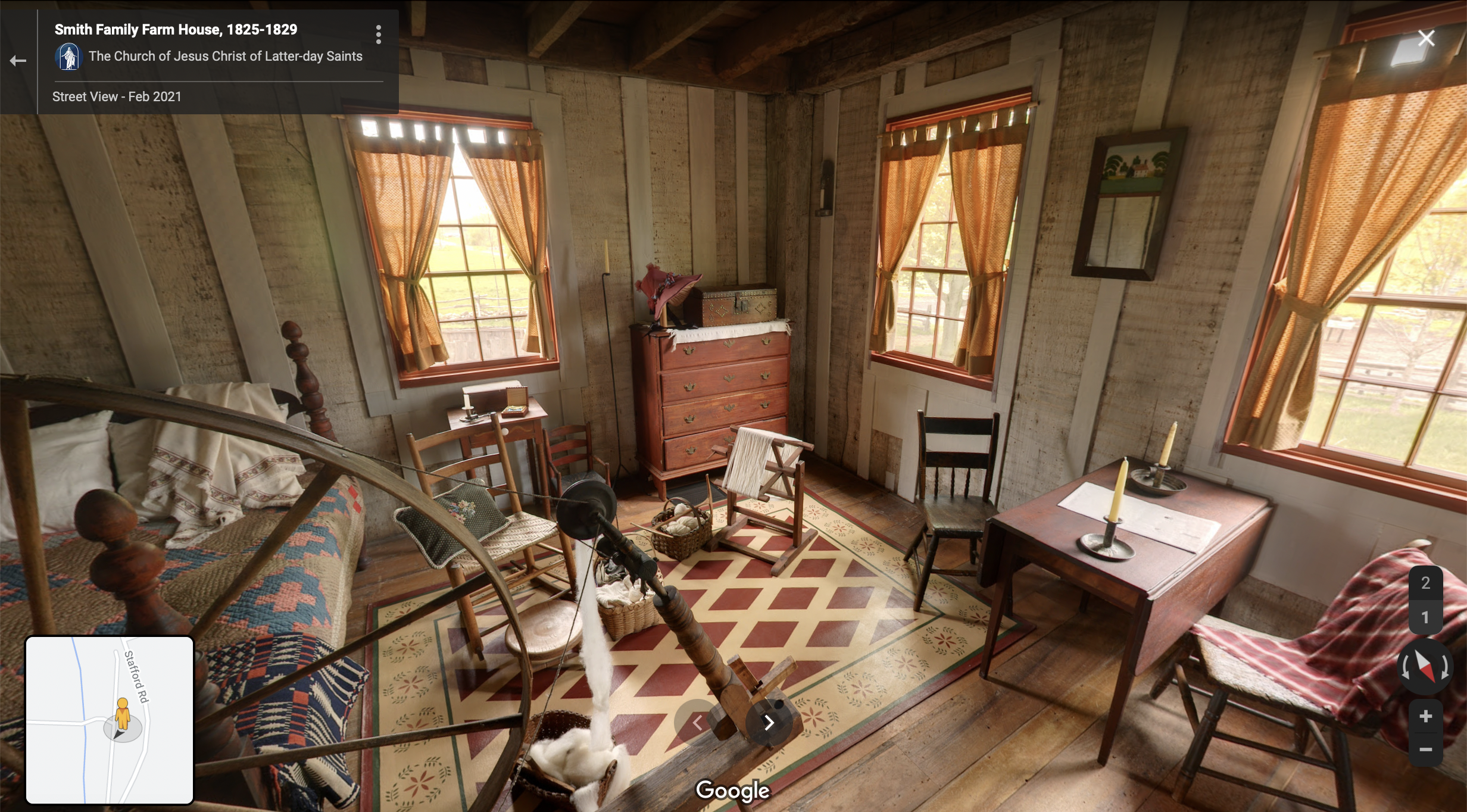
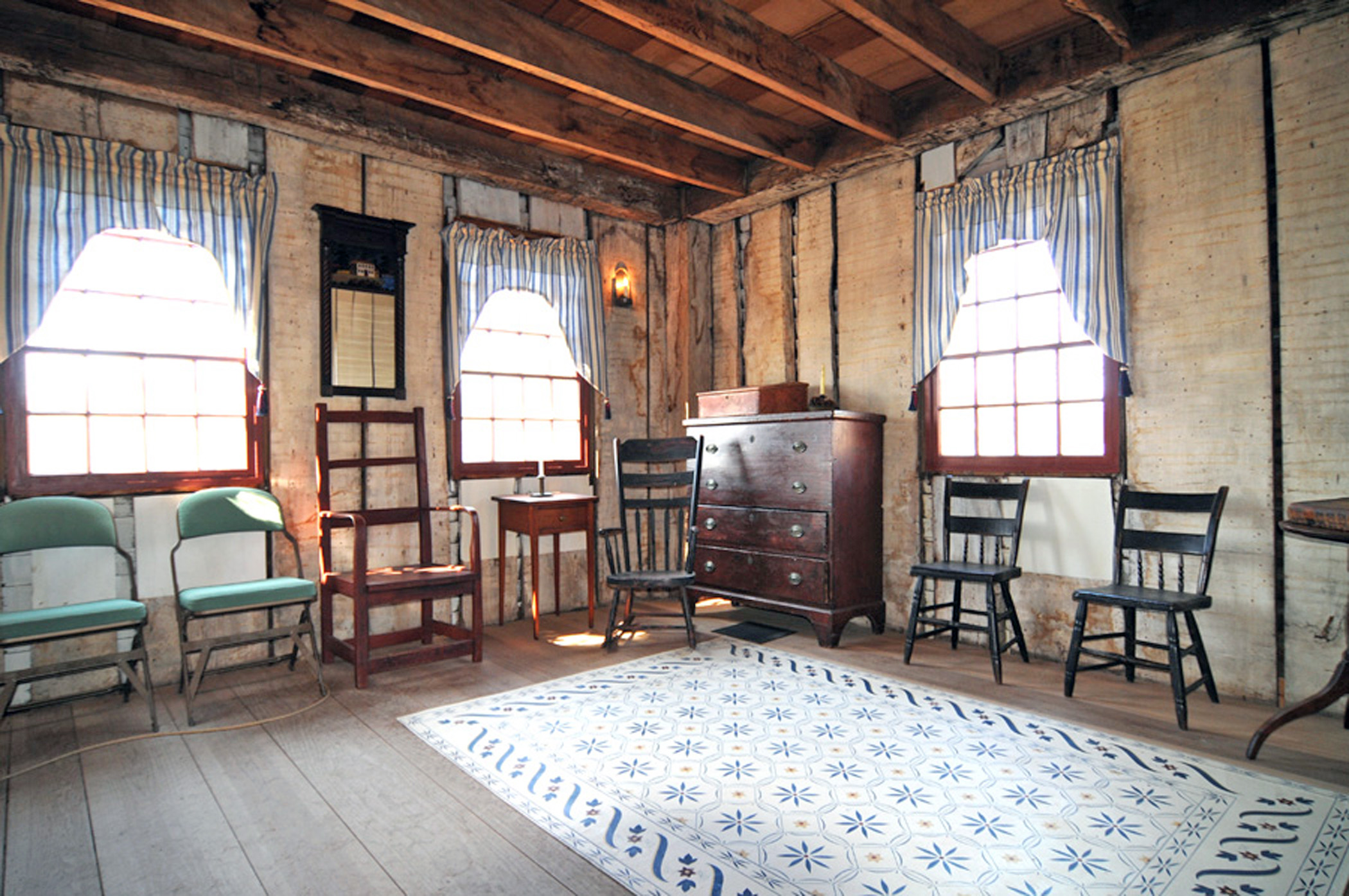
Smith Frame Home Interior
Photo Credit: Kenneth Mays, 2009
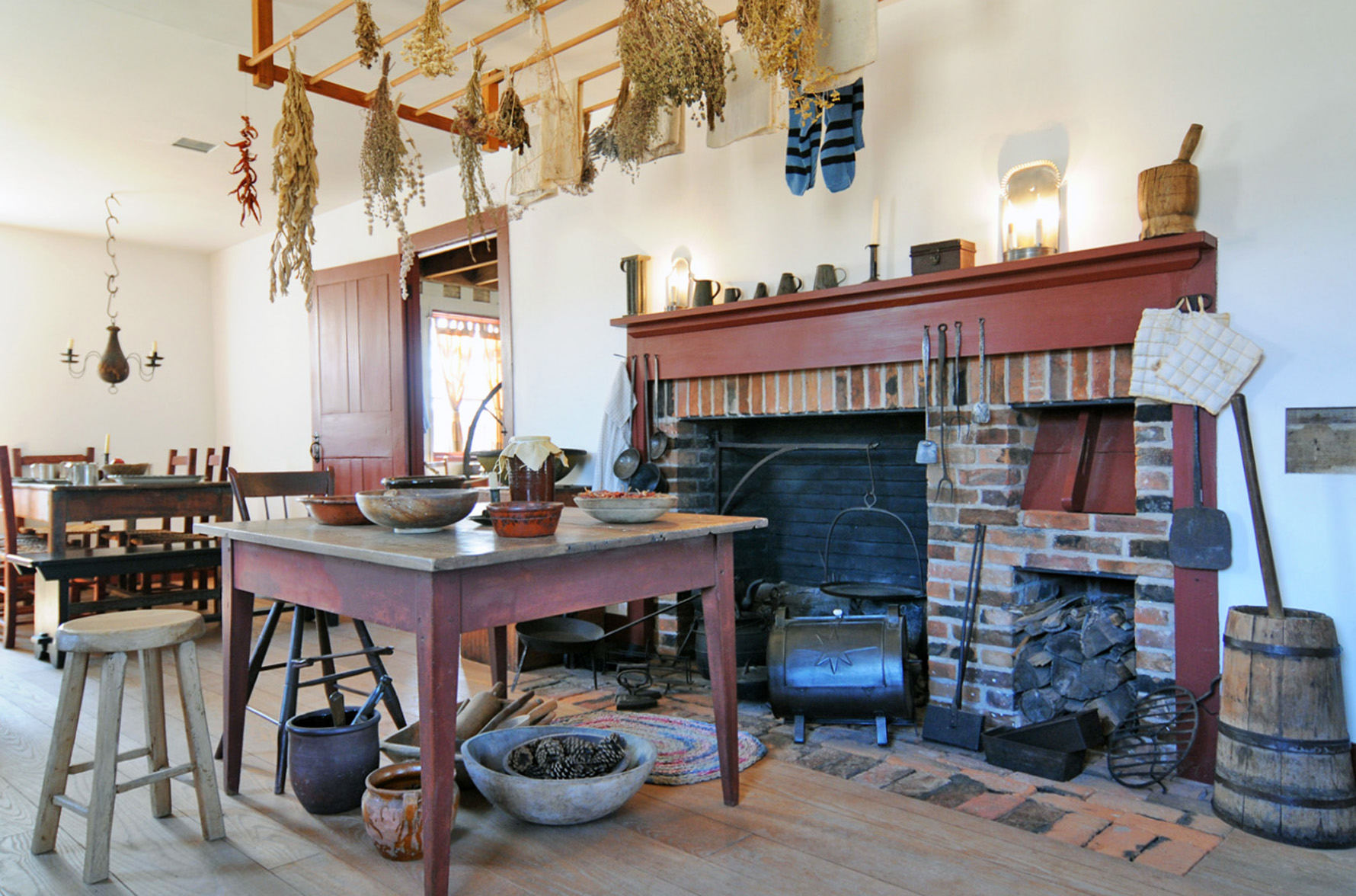
Smith Frame Home Kitchen
Photo Credit: Kenneth Mays, 2009
Smith Frame Home Fireplace
Photo Credit: John W. Welch, 2018
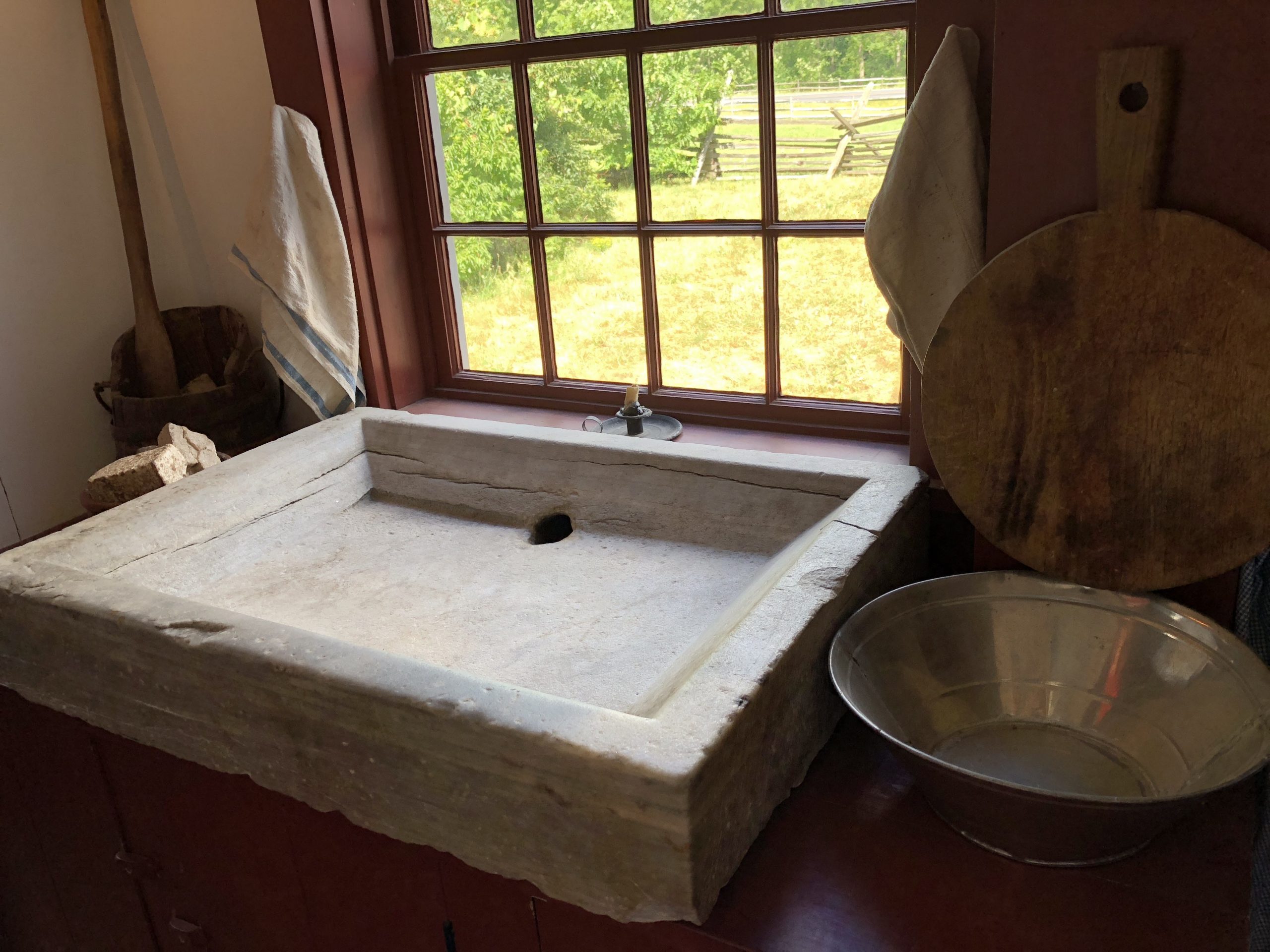
Smith Frame Home Kitchen Sink
Photo Credit: John W. Welch, 2018
Smith Frame Home Before Remodel
Photo Credit: Kenneth Mays, 1985
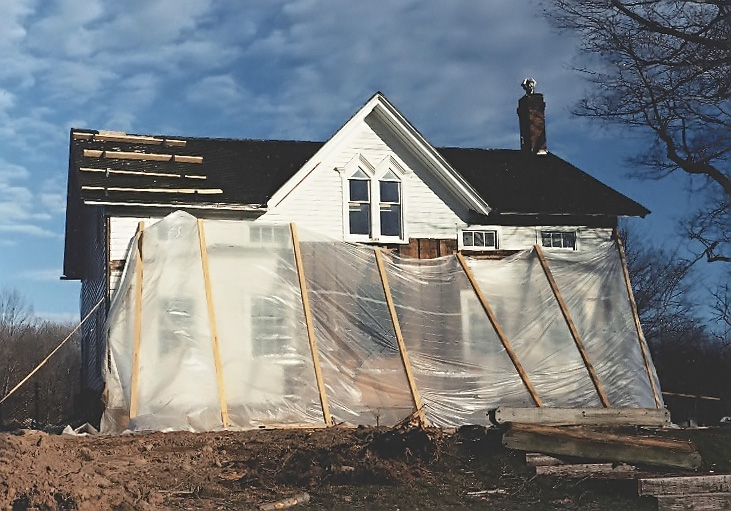
Smith Frame Home During Remodel
Photo Credit: Kenneth Mays, 1999
Smith Frame Home Interior During Remodel
Photo Credit: Kenneth Mays, 1999
Smith Frame Home and Barn During Remodel
Photo Credit: Kenneth Mays, 1999
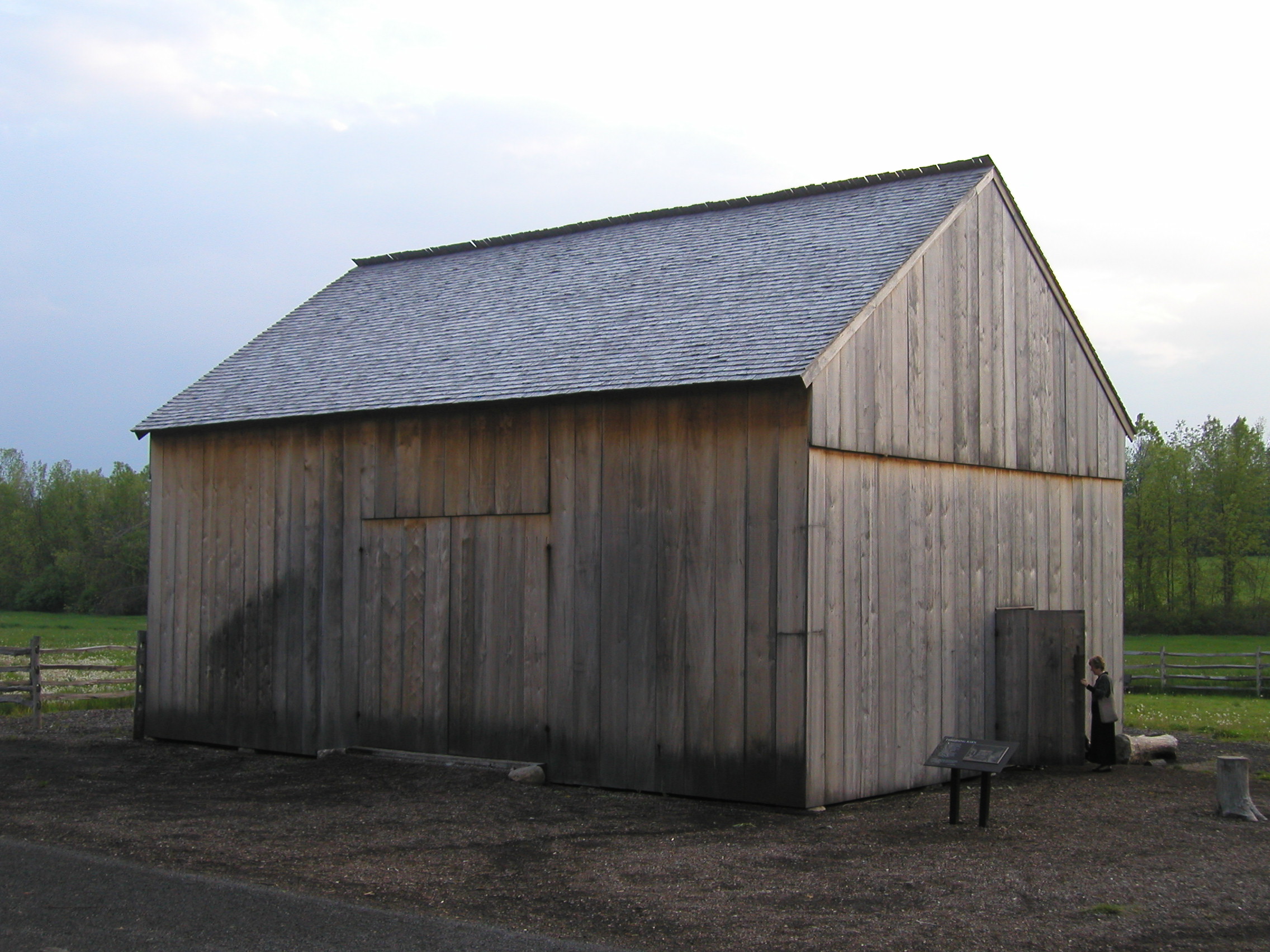
Threshing Barn
Photo Credit: John W. Welch, 2003
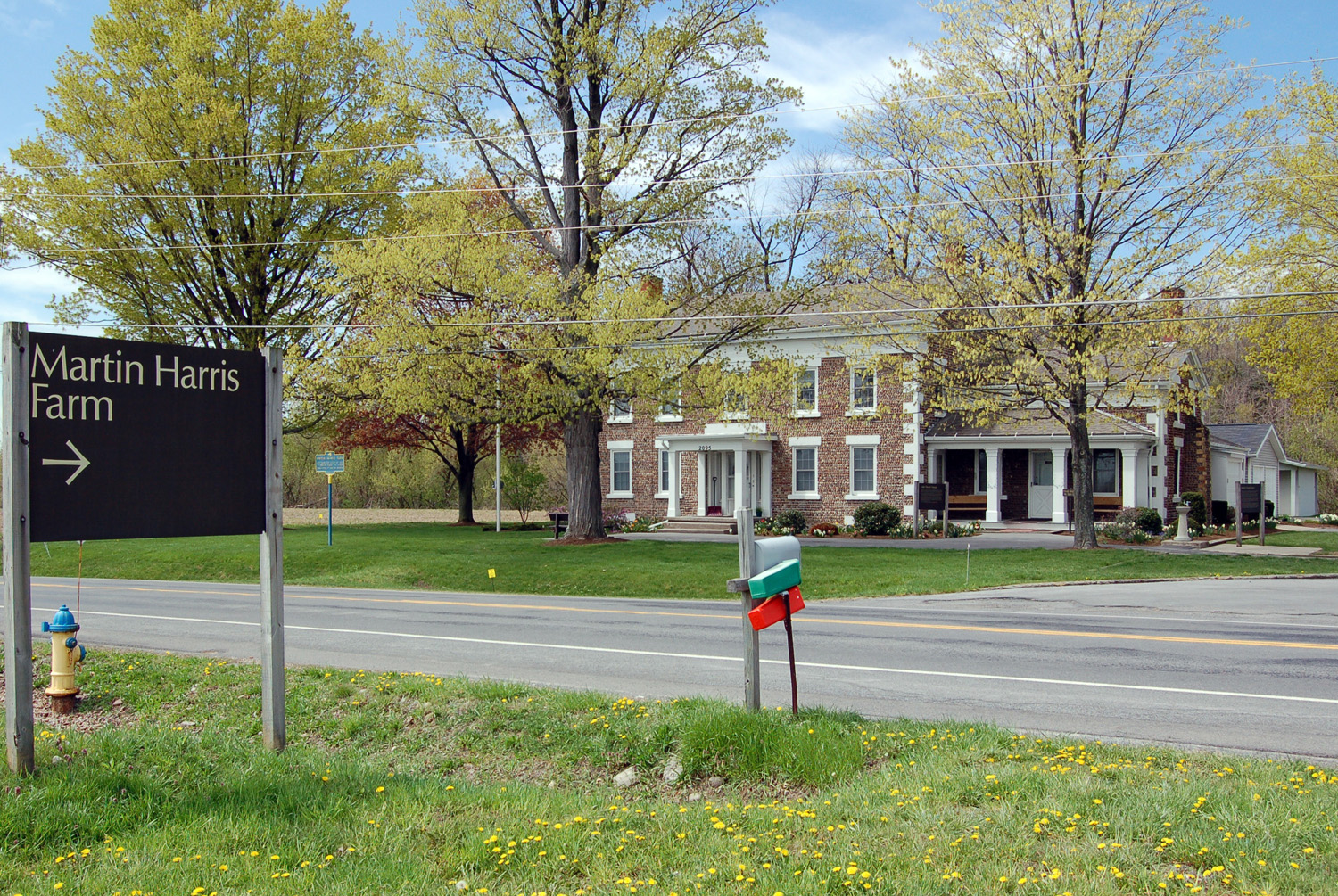
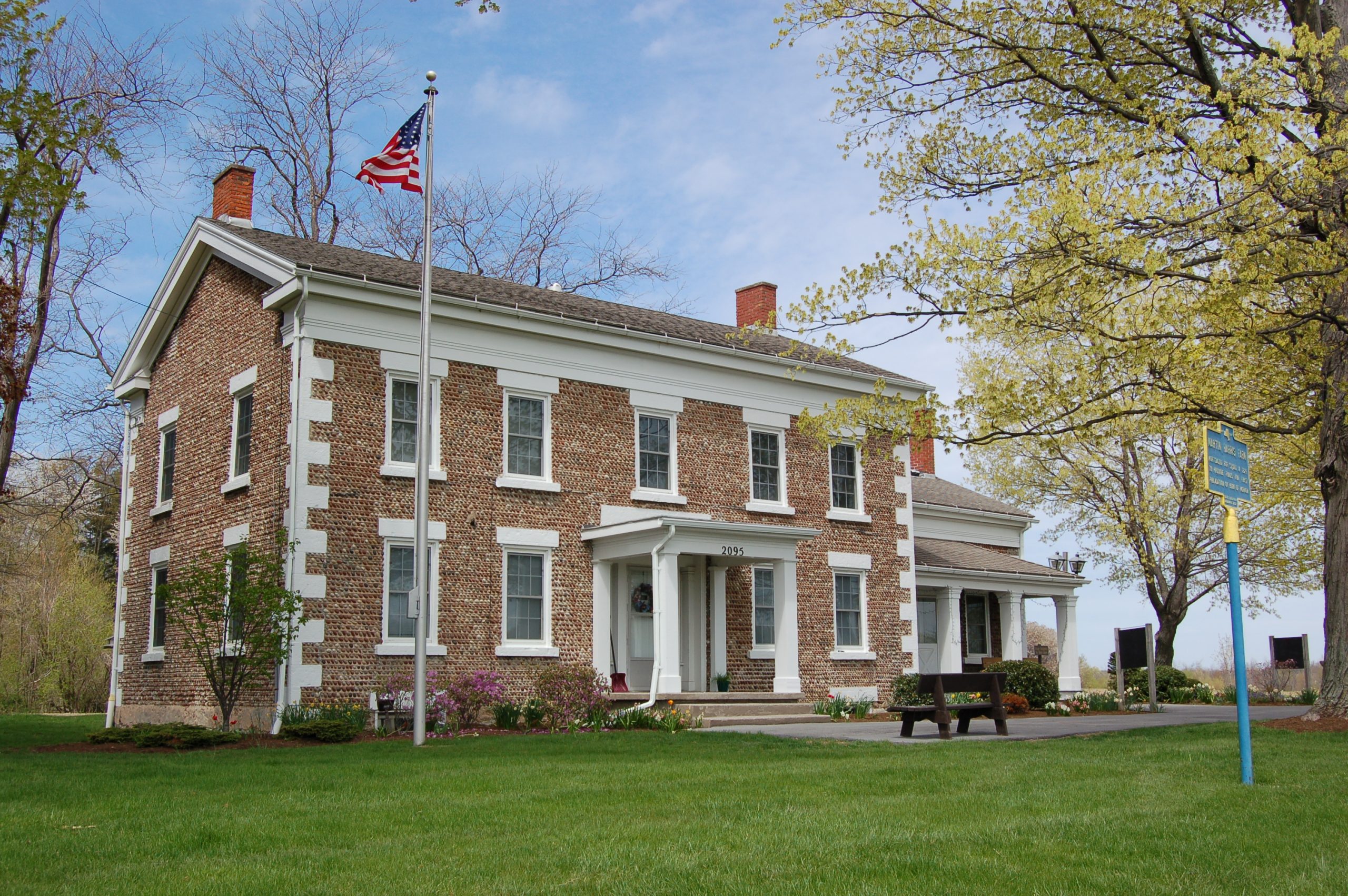
Martin Harris Farm
Key Points of Interest
- Martin Harris was a prosperous and well-respected farmer in Palmyra
- Martin was living here when the 116 pages of the Book of Mormon manuscript were lost
- Martin mortgaged his farm as security for the first printing of the Book of Mormon. At that time he owned 240 acres. He later had to sell 151 acres of the farm to pay the debt of $3,000
- The house built on the farm land is not original: It was built on the site of the original home after the original burned down in 1849
- Martin's property was once 300 acres—the Church now owns a small parcel of that land